- Trump Tariffs
- U.S. Import Tariffs
- Trump Trade Policy
- Global Trade News
- Viro Times
Trump Tariffs: Why the New Trade Policy Is Making Headlines
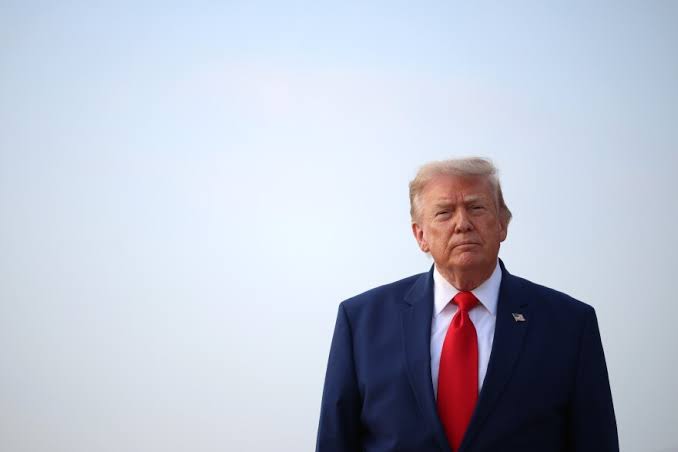
President Donald Trump’s latest tariff policy continues to dominate economic and political discussions across the United States. The administration’s decision to impose higher import tariffs on a wide range of foreign goods has sparked debate among manufacturers, retailers, economists, and international trading partners. Supporters argue the move will strengthen domestic industries, while critics warn it could increase costs for businesses and consumers.
According to analysts, the long-term effects of these tariffs will depend on how global markets and major trading partners respond. As the policy unfolds, businesses are preparing for potential changes in supply chains, pricing strategies, and investment plans.
Trump Tariffs and Their Impact on U.S. Businesses
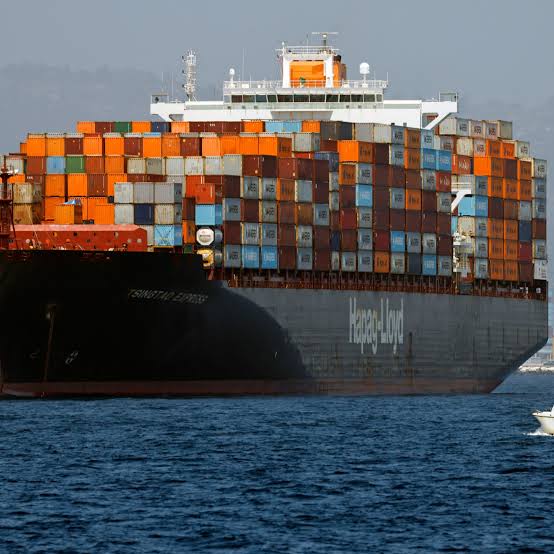
The new tariff measures are expected to affect companies that rely heavily on imported products and raw materials. Businesses importing electronics, machinery, automotive parts, consumer goods, and industrial equipment may experience higher operating costs.
Some manufacturers believe the policy could encourage companies to increase domestic production and create new jobs within the United States. However, many retailers worry that rising import expenses may reduce profit margins or force them to pass higher costs on to customers.
Large corporations are already reviewing their global supply chains to identify alternative suppliers or shift production closer to the U.S. market.
Trump Tariffs Could Lead to Higher Consumer Prices
One of the biggest concerns surrounding Trump’s tariff policy is its possible impact on consumer prices. When import costs increase, businesses often adjust retail prices to protect profitability.
Consumers may eventually notice higher prices on products such as electronics, household appliances, clothing, furniture, and automobiles. While some companies may absorb part of the additional expense, many economists believe price increases could become more noticeable if tariffs remain in place for an extended period.
The administration argues that stronger domestic manufacturing could reduce dependence on foreign imports over time and help stabilize prices in the future.
Global Trade Faces New Challenges Under Trump Tariffs
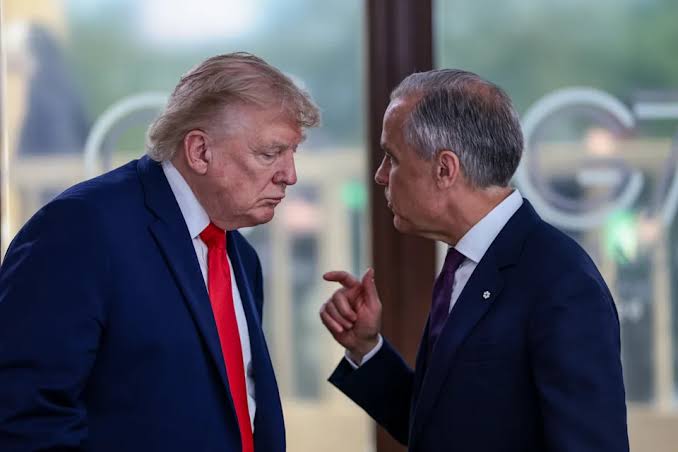
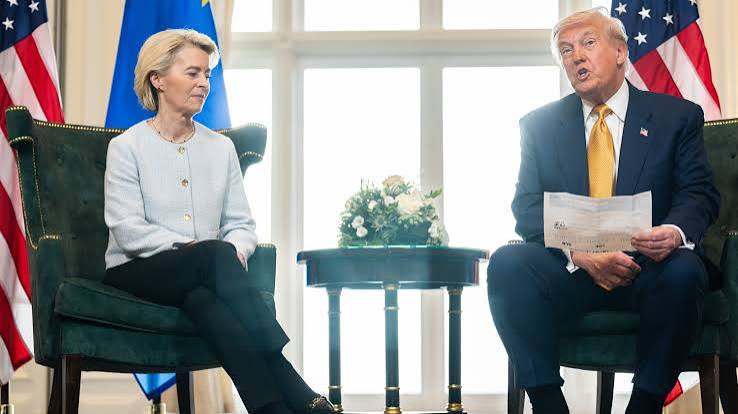
The tariff policy has also attracted significant attention from international trading partners. Several countries have expressed concerns that higher U.S. import duties could disrupt established trade relationships and reduce global economic growth.
Trade experts believe some nations could respond with their own tariffs on American exports, increasing uncertainty for exporters in agriculture, manufacturing, and technology sectors.
Businesses involved in international commerce are closely monitoring negotiations as governments evaluate possible responses to the new trade measures.
Financial Markets React to Trump Trade Policy
Investors continue to watch tariff developments carefully because trade policy often influences financial markets. Stock prices in industries dependent on international trade may experience increased volatility as companies adjust earnings forecasts.
Market analysts say sectors such as manufacturing, transportation, logistics, retail, and technology could see varying levels of impact depending on how supply chains adapt to the changing trade environment.
Despite short-term uncertainty, some investors believe companies focused on domestic production could benefit if manufacturing activity expands within the United States.
What Comes Next for Trump’s Tariff Strategy?
Table of Contents
The future of Trump’s tariff strategy will depend on negotiations with major trading partners, business adaptation, and overall economic performance. Policymakers are expected to monitor inflation, employment, and manufacturing data to evaluate the policy’s effectiveness.
Economists remain divided over whether tariffs will ultimately strengthen American industry or place additional financial pressure on businesses and consumers. Regardless of the outcome, the policy is expected to remain one of the most closely watched economic issues in the coming months.
Conclusion: Trump Tariffs Will Continue to Shape Economic Debate


Trump’s latest tariff policy has become one of the defining economic stories of the year. While supporters believe it will encourage domestic manufacturing and reduce reliance on foreign imports, critics caution that higher costs could affect businesses, consumers, and global trade.
As companies adapt and international negotiations continue, the full impact of these tariffs will become clearer. For now, businesses, investors, and consumers alike are keeping a close eye on every development.
Meta Description:
Discover how Trump’s latest tariff policy could impact U.S. consumers, businesses, global trade, and economic growth. Read the latest analysis from Viro Times.