- Trump’s New Global Tariffs
- U.S. Tariff Policy 2026
- Global Trade News
- Trump Trade Policy
- Viro Times
Trump’s New Global Tariffs Take Effect: A Major Shift in U.S. Trade Policy
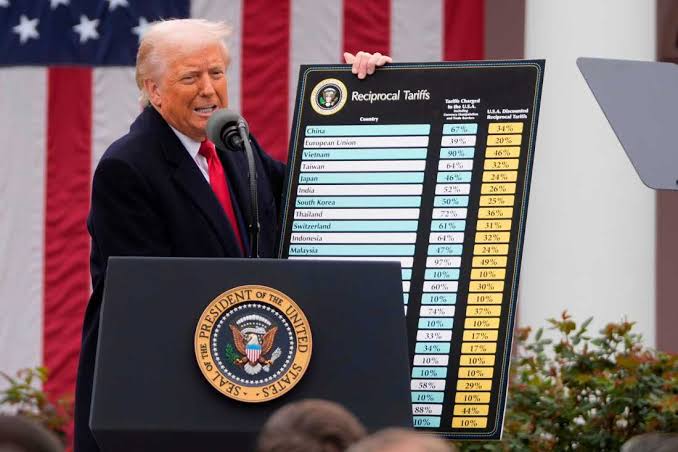
The Trump’s New Global Tariffs policy has officially taken effect, marking one of the most significant changes in U.S. trade policy in recent years. The administration has introduced new import duties ranging from 10% to 12.5% or higher on goods from nearly 70 countries. The move is designed to encourage domestic manufacturing, reduce dependence on foreign imports, and strengthen American industries.
The announcement has quickly become one of the most discussed topics across financial markets and international trade circles. Businesses, investors, and policymakers are closely watching how these tariffs will influence global commerce.
Trump’s New Global Tariffs Aim to Boost American Manufacturing
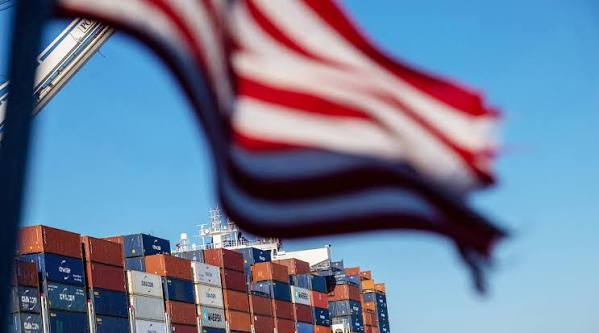
According to the administration, the primary objective of Trump’s New Global Tariffs is to protect U.S. manufacturers from lower-priced imported products. Officials argue that many foreign producers benefit from government subsidies or lower production costs, making it difficult for American companies to compete.
By increasing import costs, the White House believes more companies will choose to manufacture products inside the United States, creating new jobs and strengthening domestic supply chains.
Supporters say the policy could revive industries that have struggled with overseas competition over the past two decades.
Trump’s New Global Tariffs Could Raise Consumer Prices
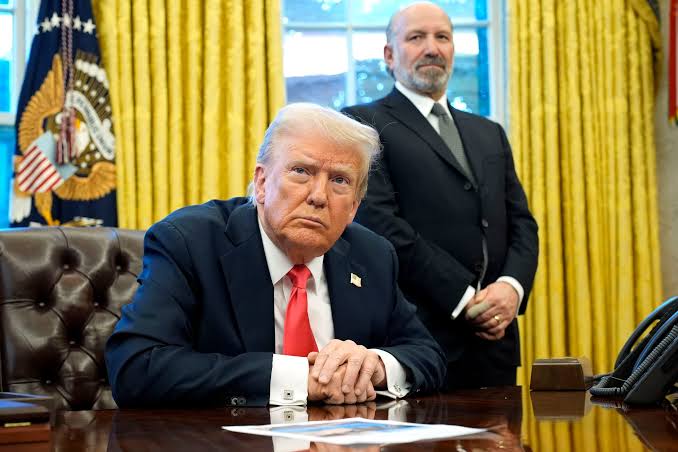
While supporters praise the policy, economists warn that Trump’s New Global Tariffs may increase prices for consumers.
Many retailers rely on imported goods, including electronics, clothing, machinery, household products, and industrial equipment. Higher import taxes often lead businesses to pass additional costs to customers.
Consumers could experience higher prices on everyday products if companies cannot absorb the increased expenses. Small businesses that depend heavily on imported materials may also face financial pressure.
Experts believe inflation trends will be closely monitored in the coming months.
Global Trade Partners Respond to Trump’s New Global Tariffs
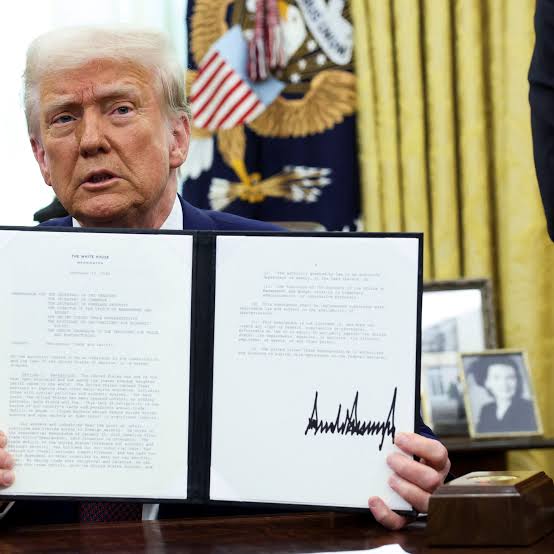
The introduction of Trump’s New Global Tariffs has triggered mixed reactions from America’s trading partners.
Several governments have expressed concerns that the tariffs could disrupt global supply chains and reduce international trade. Some countries are considering negotiations with Washington, while others may respond with their own trade measures if agreements cannot be reached.
Trade analysts believe the policy could reshape existing commercial relationships and encourage new regional trade partnerships across Asia, Europe, and Latin America.
Businesses Prepare for Changes Under Trump’s New Global Tariffs
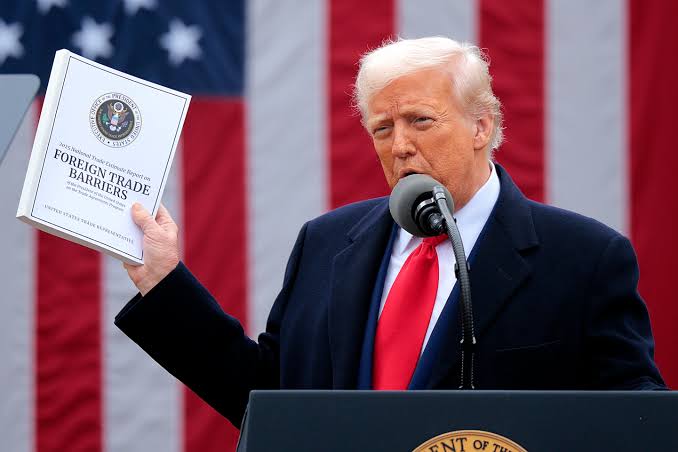
American companies are now evaluating how Trump’s New Global Tariffs will affect production costs and supply chain strategies.
Large manufacturers may explore relocating suppliers or increasing domestic production to minimize tariff expenses. Retailers are reviewing inventory plans, while import-dependent businesses are reassessing long-term purchasing contracts.
Financial markets are also watching corporate earnings closely to determine how companies manage the new costs without significantly affecting profitability.
Economic Impact of Trump’s New Global Tariffs
Table of Contents
The long-term impact of Trump’s New Global Tariffs remains uncertain.
Supporters believe the policy could strengthen American manufacturing, improve economic security, and reduce trade deficits. Critics argue that prolonged tariffs may slow global trade, increase inflation, and create uncertainty for businesses and investors.
Much will depend on future negotiations between the United States and its trading partners, as well as how companies adapt to the changing trade environment.
Economic analysts expect the policy to remain a major issue throughout 2026 as markets evaluate its broader effects.
Conclusion: Trump’s New Global Tariffs Will Shape Future Trade


The implementation of Trump’s New Global Tariffs represents a major turning point in U.S. economic policy. Whether the strategy successfully strengthens American manufacturing or creates new challenges for businesses and consumers will become clearer over time.
For now, companies, investors, and governments around the world are closely monitoring developments as this new chapter in international trade begins.
Meta Description: President Donald Trump’s new global tariff policy is now in effect, imposing higher import duties on nearly 70 countries. Discover how the tariffs could affect trade, businesses, consumers, and the U.S. economy.