- US-Iran Tensions
- Middle East Conflict
- US Military Strikes
- Iran News
- Global Oil Prices
US-Iran Tensions: Fresh Military Strikes Intensify Regional Conflict
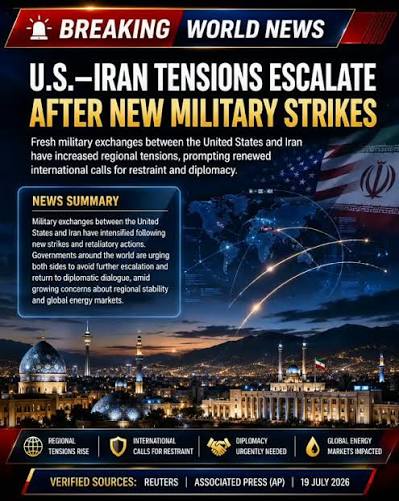
The US-Iran tensions have once again become a major focus of international attention following reports of new American military strikes targeting Iranian-linked positions. The latest developments have increased fears of a broader conflict across the Middle East, raising concerns among global leaders, financial markets, and energy analysts.
According to international reports, the strikes were carried out in response to growing security threats involving Iran-backed groups operating in the region. While officials argue the operation was intended to protect American personnel and strategic interests, the action has significantly heightened geopolitical uncertainty.
Viro Times examines how these developments could reshape regional security, global energy markets, and international diplomacy.
US-Iran Tensions Impact Middle East Stability
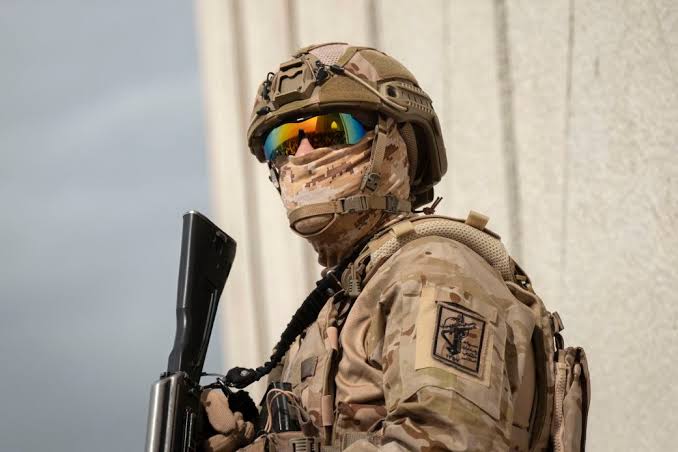
The latest escalation has sparked renewed concerns about the future of Middle East stability. Several countries in the region are closely monitoring the situation, fearing that further military action could trigger a wider regional conflict.
Security experts warn that continued confrontation between Washington and Tehran could involve additional regional actors, disrupting diplomatic efforts that have aimed to reduce tensions over the past several years.
International organizations are urging restraint from all parties while encouraging diplomatic dialogue to prevent the situation from escalating into a prolonged military crisis.
US-Iran Tensions Affect Global Oil Markets
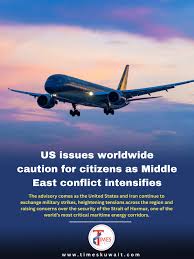
One of the immediate consequences of the US-Iran tensions is increased volatility in global energy markets. Investors are closely watching developments because the Middle East remains one of the world’s most important oil-producing regions.
Any disruption to shipping routes or oil production could lead to higher crude oil prices, affecting fuel costs worldwide. Analysts believe uncertainty surrounding the conflict has already influenced market sentiment, with traders pricing in additional geopolitical risk.
Higher oil prices could also contribute to inflation in several countries, placing added pressure on central banks that are already managing economic uncertainty.
US-Iran Tensions Raise Global Security Concerns
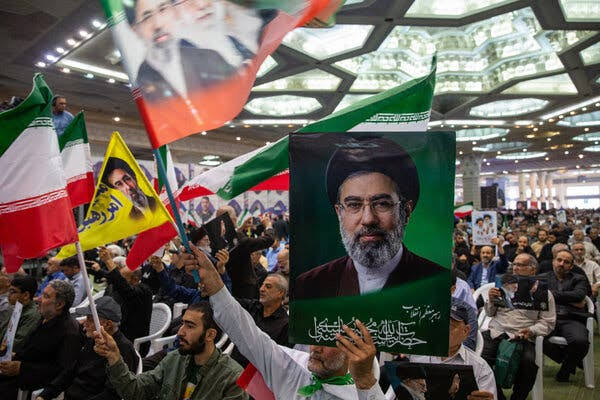
The renewed confrontation has prompted governments worldwide to review their security strategies. Intelligence agencies are monitoring the possibility of retaliatory actions, cyber threats, and attacks involving regional proxy groups.
Military experts emphasize that while neither side may seek a full-scale war, repeated exchanges increase the possibility of unintended escalation.
Global allies of both the United States and Iran continue to call for peaceful negotiations, emphasizing that diplomacy remains the most effective solution to avoid further instability.
US-Iran Tensions Influence US Foreign Policy
The latest military action also places US foreign policy under renewed international scrutiny. American officials maintain that protecting national security and military personnel remains their highest priority.
However, political analysts suggest the administration may face growing debate over balancing military operations with diplomatic engagement. Congressional leaders and foreign policy experts are expected to closely examine the long-term implications of continued military involvement in the region.
The situation may also influence future defense planning, regional alliances, and international negotiations related to Middle East security.
US-Iran Tensions and Economic Outlook
Table of Contents
Beyond military concerns, the conflict has important economic implications. Rising energy prices, investor uncertainty, and disruptions to international trade routes could affect economic growth across multiple regions.
Financial markets typically react quickly to geopolitical instability, leading to fluctuations in stock indexes, commodity prices, and currency markets. Businesses that rely on stable global supply chains may also face increased operational costs if tensions continue.
Economists note that prolonged instability in the Middle East often creates ripple effects throughout the global economy.
US-Iran Tensions: What Happens Next?


The future of the US-Iran tensions remains uncertain. Diplomatic efforts may help reduce immediate risks, but continued military activity could increase the likelihood of further confrontation.
International leaders are encouraging dialogue to prevent additional escalation while maintaining regional stability. Investors, policymakers, and security analysts will continue watching developments closely as the situation evolves.
For now, the Middle East remains one of the world’s most sensitive geopolitical hotspots, with decisions made in the coming weeks likely to influence global security, energy markets, and international relations.
SEO Meta Description
US-Iran tensions escalate following new military strikes, raising concerns over Middle East security, global oil prices, and international diplomacy. Read the latest analysis from Viro Times.