- Oil prices surge
- Middle East conflict and oil prices
- Strait of Hormuz
- Brent crude oil
- WTI oil price
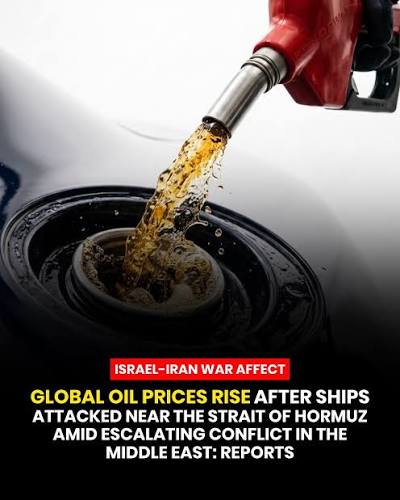
Oil Prices Surge Amid Middle East Conflict as Strait of Hormuz Risks Grow
Viro Times | July 31, 2026
Oil prices have climbed sharply as growing tensions in the Middle East raise concerns about the security of major shipping routes and the global supply of crude oil. Investors are closely watching developments around the Strait of Hormuz, one of the world’s most important energy corridors, as any disruption could have a significant impact on international oil markets.
On July 31, benchmark Brent crude oil was trading around or above $90 per barrel, while West Texas Intermediate (WTI) moved above approximately $85. The latest increase reflects growing market uncertainty and fears that prolonged regional conflict could disrupt oil transportation and supplies.
Oil Prices Rise Amid Middle East Conflict
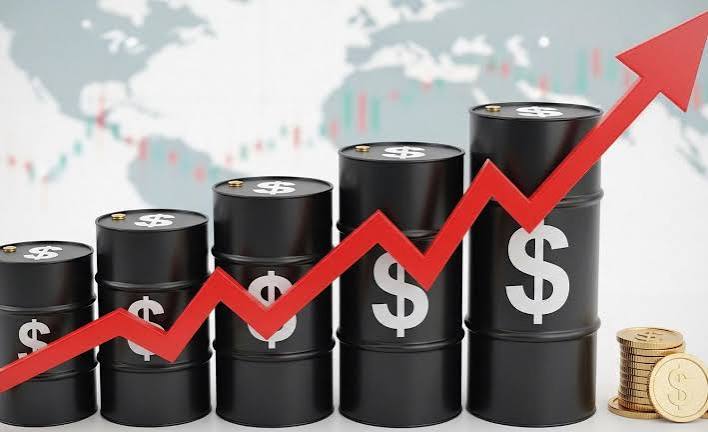
The Middle East conflict and oil prices have become increasingly connected as markets react to geopolitical risks. The region is responsible for a major share of global oil production, making any threat to energy infrastructure or shipping routes particularly important for traders and governments.
When tensions increase, oil markets often respond quickly because traders begin pricing in the possibility of supply shortages. Even before an actual disruption occurs, concerns about future supplies can push crude prices higher.
The latest rise demonstrates how sensitive the global energy market remains to developments in the Middle East.
Strait of Hormuz Becomes a Major Oil Market Concern
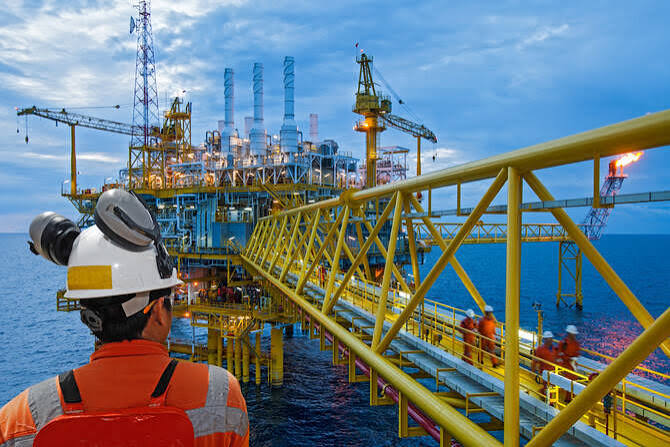
The Strait of Hormuz is at the center of current concerns. The narrow waterway between the Persian Gulf and the Gulf of Oman is a critical route for international energy shipments.
A significant portion of the world’s seaborne oil trade passes through the strait. Any serious disruption could force ships to take longer routes, increase transportation costs and create additional pressure on global energy prices.
For this reason, traders are closely monitoring security developments around the waterway. Even reports suggesting possible restrictions or threats to shipping can create immediate volatility in crude oil markets.
Global Shipping Routes Face Increased Pressure
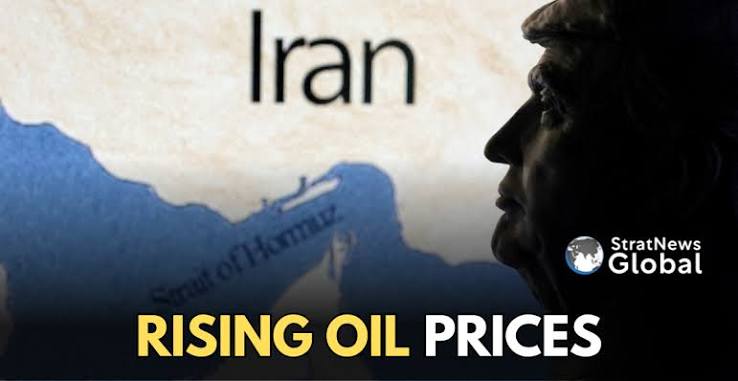
The concerns are not limited to the Strait of Hormuz. Other important shipping routes in the Middle East are also being watched because commercial vessels depend on secure maritime corridors to transport oil and other goods.
Higher security risks can increase insurance and freight costs for shipping companies. If vessels avoid certain routes, delivery times could become longer, adding further costs to global trade.
Energy companies are therefore assessing alternative transportation options while governments and international organizations continue to monitor maritime security.
Higher Oil Prices Could Affect the U.S. Economy
Rising oil prices can have wider consequences for consumers and businesses. Higher crude prices generally increase costs for gasoline, diesel, transportation and some industrial products.
For American consumers, sustained increases in crude prices could eventually translate into higher prices at gas stations. Airlines, trucking companies and manufacturers may also face greater operating expenses if fuel costs remain elevated.
Higher energy costs can also complicate efforts to control inflation. If oil prices remain high for an extended period, businesses could pass additional costs to consumers.
Investors Watch the Next Market Moves
Table of Contents
Financial markets are now focused on whether Middle East tensions will continue to escalate or whether diplomatic and security developments can reduce the risks surrounding energy supplies.
The direction of crude oil prices will depend on several factors, including the security of shipping routes, production levels, global demand and the duration of regional tensions.
For traders, the key question is whether the current price increase represents a temporary geopolitical premium or the beginning of a longer period of tighter energy markets.
Oil Market Outlook


The oil market outlook remains uncertain as geopolitical risks continue to influence prices. Brent crude staying near $90 or moving higher could increase pressure on consumers and energy-dependent industries around the world.
For now, the Strait of Hormuz remains one of the most important factors to watch. Any major disruption could quickly reshape expectations for global oil supplies.
As the Middle East situation develops, investors, governments and consumers will continue to monitor crude prices closely. Viro Times will follow the latest developments in global energy markets and their potential impact on the U.S. economy and consumers.
SEO Meta Description:
Oil prices surge amid Middle East tensions as concerns over the Strait of Hormuz and major shipping routes push Brent and WTI higher.