- US-Iran Tensions
- Donald Trump Iran
- US Iran Diplomatic Talks
- Middle East Crisis
- Viro Times
US-Iran Tensions Enter a New Phase with Diplomatic Talks
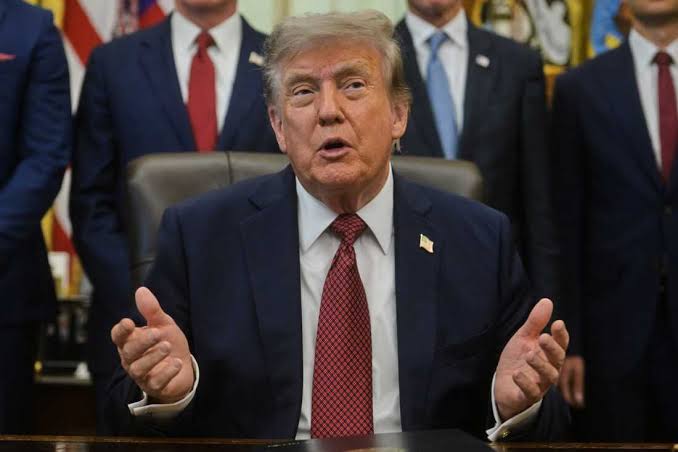
The latest US-Iran tensions have taken a significant diplomatic turn after President Donald Trump announced that a planned military strike would be put on hold while the United States explores a new round of negotiations with Iran. The announcement has sparked global attention, with many leaders welcoming diplomacy as an alternative to military escalation.
Despite Washington’s statement, Iranian officials have rejected claims of direct negotiations, creating uncertainty about whether meaningful talks will actually take place. As a result, analysts believe the Middle East remains at a critical crossroads where diplomacy and conflict are competing paths.
The renewed focus on dialogue comes after weeks of heightened regional tensions, military readiness, and growing concerns about the impact of a potential conflict on global energy supplies and international security.
US-Iran Tensions: Why Trump Paused the Military Strike
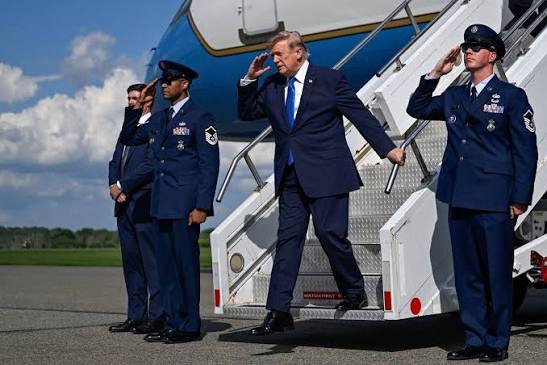
One of the biggest developments in the ongoing US-Iran tensions is President Trump’s decision to delay military action in favor of diplomacy.
According to officials, the administration believes there is still an opportunity to resolve key disputes through negotiations rather than armed conflict. The move also reflects pressure from international allies, many of whom have urged both nations to avoid actions that could trigger a wider regional war.
Security experts note that even a limited military strike could have resulted in significant consequences, including retaliation across the Middle East, disruption of global trade routes, and increased risks for international forces stationed in the region.
Iran Rejects Claims of Direct Negotiations
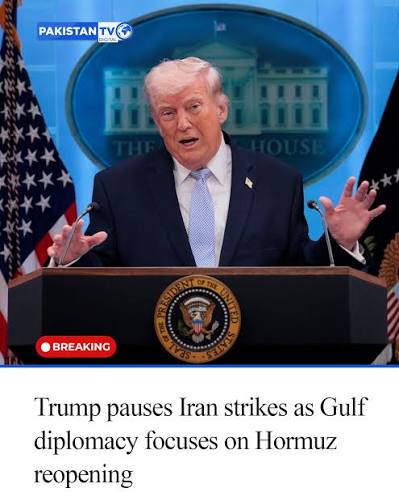
While Washington has expressed interest in renewed diplomatic engagement, Iran has denied that direct negotiations are currently underway.
Iranian leaders argue that meaningful discussions cannot take place while economic sanctions and political pressure remain in place. Officials have emphasized that any future negotiations would require mutual respect and practical confidence-building measures before formal dialogue could begin.
This difference in public messaging has increased uncertainty surrounding the diplomatic process and raised questions about how negotiations could move forward.
Global Markets Closely Watch US-Iran Tensions
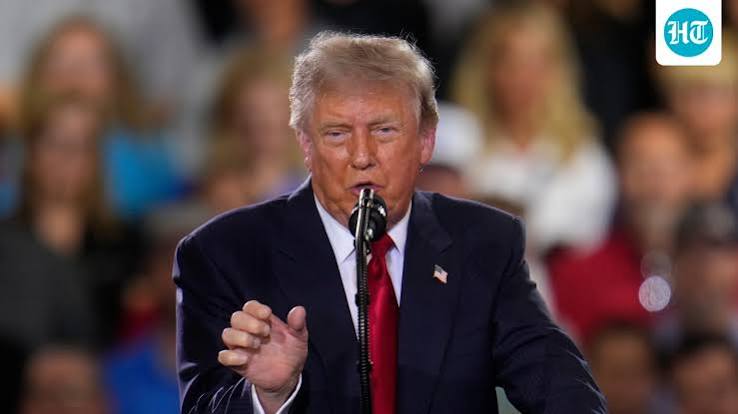
The ongoing US-Iran tensions continue to influence global financial markets.
Oil traders remain cautious because any disruption in the Middle East could affect energy supplies and increase crude oil prices. Investors have also shifted toward safer assets as geopolitical uncertainty remains elevated.
Economists warn that prolonged instability could increase transportation costs, contribute to inflation, and create additional pressure on economies already dealing with slower global growth.
Can Diplomacy Prevent Further Escalation?
International observers believe diplomacy remains the best option to prevent another major crisis in the Middle East.
Several countries have reportedly encouraged both Washington and Tehran to continue indirect communication through diplomatic channels. Experts say confidence-building measures, regional security discussions, and humanitarian cooperation could help reduce tensions before more comprehensive negotiations begin.
However, the long history of mistrust between the two governments remains a major obstacle to lasting progress.
Regional Security Remains Fragile
Table of Contents
The broader Middle East continues to face security challenges as governments monitor the evolving situation.
Military forces across the region remain on alert, while shipping companies and energy producers continue to assess potential risks to major trade routes. Any unexpected escalation could quickly affect global commerce, oil exports, and regional stability.
Security analysts caution that even isolated incidents could increase tensions if diplomatic communication breaks down.
International Community Calls for Restraint


Governments across Europe, Asia, and the Middle East have urged both the United States and Iran to exercise restraint.
Many international leaders believe diplomacy offers the most effective path toward reducing tensions and preventing unnecessary conflict. Global organizations have also encouraged both sides to respect international law and continue pursuing peaceful solutions through dialogue.
The widespread international response reflects concerns that another military confrontation could have far-reaching economic and humanitarian consequences.
What Could Happen Next?
The future of US-Iran tensions remains uncertain.
If diplomatic efforts gain momentum, both countries could gradually reduce tensions and avoid military confrontation. However, if negotiations fail or new incidents occur, the possibility of renewed escalation cannot be ruled out.
The coming weeks are expected to be crucial as policymakers, diplomats, and global markets closely monitor every new development.
Conclusion
The latest US-Iran tensions highlight the delicate balance between diplomacy and military action. President Donald Trump’s decision to pause a planned strike has opened the door to potential negotiations, but Iran’s rejection of direct talks shows that significant differences remain.
While the international community continues to support diplomatic engagement, uncertainty still surrounds the future of relations between Washington and Tehran. Whether diplomacy succeeds or tensions rise again will have important implications not only for the Middle East but also for global security, energy markets, and the world economy.
SEO Meta Description:
US-Iran tensions remain in focus after President Donald Trump announced a pause in a planned military strike in favor of new diplomatic talks. However, Iran has denied direct negotiations, leaving the situation uncertain.