- US-Iran Tensions
- Donald Trump Iran
- Strait of Hormuz
- Middle East Crisis
- Global Oil Market
US-Iran Tensions: Trump Pauses Planned Military Strike
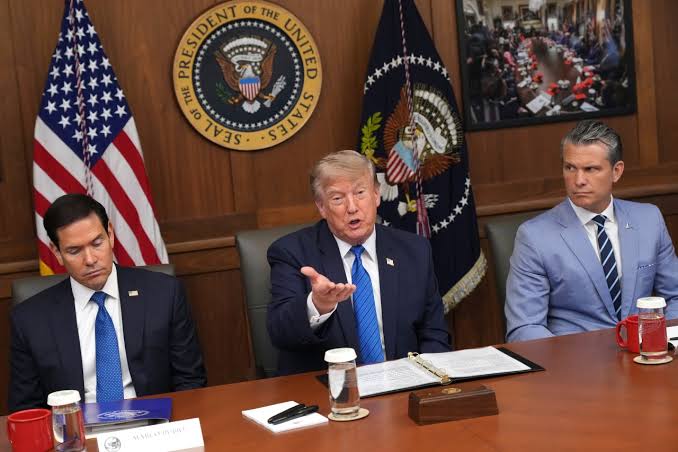
The latest US-Iran Tensions have entered a new phase after President Donald Trump announced that a planned military strike against Iran has been temporarily postponed. According to the administration, the decision was influenced by recent diplomatic progress and renewed optimism over the possible reopening of the Strait of Hormuz, one of the world’s most critical oil shipping routes.
Although the immediate threat of military action has eased, officials warned that the situation remains highly uncertain. Both Washington and Tehran continue to monitor developments closely while international leaders push for a peaceful resolution.
US-Iran Tensions: Why Trump Delayed Military Action
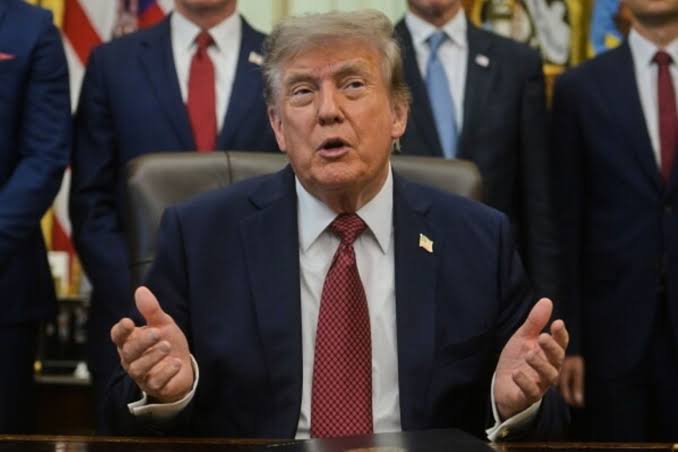
President Trump explained that military action was paused because diplomatic negotiations have shown encouraging signs in recent days. Reports suggest that international mediators are actively working to reduce tensions between the two countries.
The White House emphasized that the United States remains prepared to defend its interests if necessary, but diplomacy currently offers the best opportunity to prevent a broader regional conflict.
Security analysts believe the decision provides both sides with additional time to negotiate while avoiding an immediate escalation that could destabilize the Middle East.
US-Iran Tensions and the Strait of Hormuz

A major factor behind the decision is the potential reopening and stabilization of the Strait of Hormuz, a strategic waterway through which nearly one-fifth of global oil supplies pass.
Any disruption in the Strait of Hormuz can significantly impact international energy markets. Shipping companies, oil exporters, and financial markets have been closely watching developments because prolonged instability could increase transportation costs and push global oil prices higher.
If diplomatic efforts succeed in maintaining safe passage through the strait, global energy markets could experience greater stability.
US-Iran Tensions: Global Economic Impact

The ongoing US-Iran Tensions continue to influence financial markets around the world.
Energy investors remain cautious, while stock markets have shown mixed reactions depending on geopolitical developments. Oil prices have experienced increased volatility due to uncertainty surrounding Middle East security.
Economists note that continued diplomatic progress could help stabilize fuel prices, while any renewed military confrontation would likely create additional pressure on global inflation and supply chains.
Businesses involved in international shipping, aviation, and manufacturing are particularly sensitive to changes in the region.
International Response to US-Iran Tensions
Several world leaders have welcomed the temporary pause in military action.
European allies have encouraged continued negotiations, emphasizing that diplomacy remains the most effective path toward long-term regional stability. Meanwhile, Gulf nations have also expressed hope that dialogue will prevent further conflict and protect regional trade routes.
International organizations continue to monitor developments and encourage both countries to avoid actions that could reignite military tensions.
What Happens Next?
Table of Contents
Although the announcement represents a positive diplomatic development, uncertainty remains.
Future negotiations will likely determine whether the temporary pause evolves into a longer-term agreement or whether tensions return if talks fail. Military forces in the region remain on alert, reflecting the fragile nature of the current situation.
Political analysts believe the coming weeks will be critical for determining whether diplomacy can permanently reduce tensions between Washington and Tehran.
Conclusion


The latest US-Iran Tensions demonstrate how quickly geopolitical events can influence global security and financial markets. President Donald Trump’s decision to postpone a planned military strike reflects growing confidence in diplomatic negotiations and the possibility of restoring stability in the Strait of Hormuz.
While the immediate risk of conflict has decreased, the situation remains fluid. Governments, businesses, and investors worldwide will continue monitoring developments closely as diplomacy and regional security efforts unfold.
Meta Description:
President Donald Trump has temporarily paused a planned military strike against Iran, citing diplomatic progress and the possible reopening of the Strait of Hormuz. Read the latest analysis from Viro Times.