- US-Iran Talks
- US War Powers Debate
- Iran Nuclear Negotiations
- US Senate Military Authority
- Middle East Diplomacy
Introduction: US-Iran Talks Take Center Stage
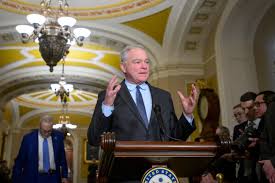
The latest US-Iran Talks have become one of the most discussed political developments in Washington and around the world. As diplomats continue negotiations aimed at reducing tensions between the two countries, a separate debate is unfolding inside the United States. The U.S. Senate has recently approved a proposal designed to limit the president’s authority to launch military actions without congressional approval. Together, these developments are shaping a major conversation about diplomacy, national security, and the balance of power in American government.
US-Iran Talks Show Signs of Progress
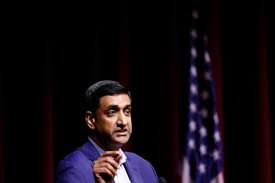
Recent rounds of US-Iran Talks have focused on easing long-standing tensions that have affected regional stability and global energy markets. Officials from both sides have reportedly explored options related to sanctions relief, security cooperation, and diplomatic engagement.
Supporters of the negotiations argue that diplomatic solutions are essential for preventing future conflicts in the Middle East. They believe constructive dialogue could reduce military risks while creating opportunities for economic cooperation and stability.
Analysts note that even small breakthroughs in the talks could have a significant impact on international relations and global markets, especially in the energy sector.
Senate Moves to Limit Presidential War Powers
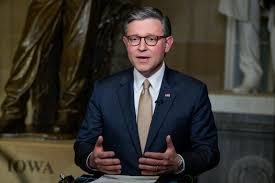
While international negotiations continue, lawmakers in Washington are debating the president’s military authority. The Senate recently passed a proposal that seeks to restrict unilateral military action without approval from Congress.
The measure reflects growing concerns among some lawmakers about executive power in matters of war and national security. Supporters argue that Congress should play a larger role in decisions that could lead to military conflict.
The proposal does not immediately change existing policies but sends a strong political message about congressional oversight and constitutional responsibilities.
Why the War Powers Debate Matters

The debate over war powers has existed for decades in American politics. The U.S. Constitution grants Congress the authority to declare war, while presidents traditionally hold broad powers as commander-in-chief.
Recent international tensions have renewed discussions about whether military decisions should require additional legislative approval. Advocates of reform argue that major military actions should involve greater transparency and democratic accountability.
Critics, however, warn that excessive restrictions could limit a president’s ability to respond quickly during emergencies or national security threats.
Impact on US-Iran Relations
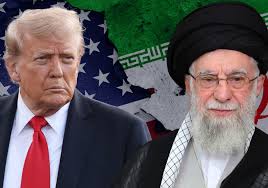
The ongoing US-Iran Talks and the Senate’s war powers proposal are closely connected. Some observers believe congressional efforts to limit military action could strengthen diplomatic negotiations by reducing fears of sudden escalation.
Others argue that political divisions in Washington may complicate the administration’s ability to negotiate effectively with Iran. Foreign governments often pay close attention to domestic political debates when evaluating long-term agreements.
As negotiations continue, both sides are carefully watching how American political institutions respond to security and foreign policy challenges.
Table of Contents
Global Markets Watching Closely
Investors and energy markets are paying close attention to developments surrounding US-Iran Talks. Any progress toward improved relations could influence oil prices and global economic sentiment.
The Middle East remains one of the world’s most important energy-producing regions. Reduced tensions could contribute to market stability, while setbacks in negotiations could create uncertainty.
Financial experts believe diplomatic progress would likely be welcomed by global markets seeking predictability in international affairs.


What Happens Next?
The coming weeks will be crucial for both diplomacy and domestic politics. Negotiators are expected to continue discussions aimed at finding common ground on key issues. Meanwhile, lawmakers will debate the future of war powers legislation and its potential impact on presidential authority.
Political analysts suggest that the outcome of these discussions could shape U.S. foreign policy for years to come. Whether through diplomacy, legislative action, or a combination of both, the decisions made now will influence America’s role on the global stage.
Conclusion
The latest US-Iran Talks and the growing debate over presidential war powers highlight a critical moment in U.S. politics. As diplomatic efforts seek to reduce international tensions, lawmakers are examining how military decisions should be made in a modern democracy. The intersection of foreign policy and constitutional authority ensures that these issues will remain at the center of public discussion in the months ahead.
Meta Description
US-Iran Talks continue as the U.S. Senate debates limiting presidential war powers. Explore the political, diplomatic, and global implications of these major developments.