- U.S.–Iran Tensions
- Strait of Hormuz
- Middle East News
- Global Oil Market
- Viro Times
U.S.–Iran Tensions Rise Following Strait of Hormuz Attack
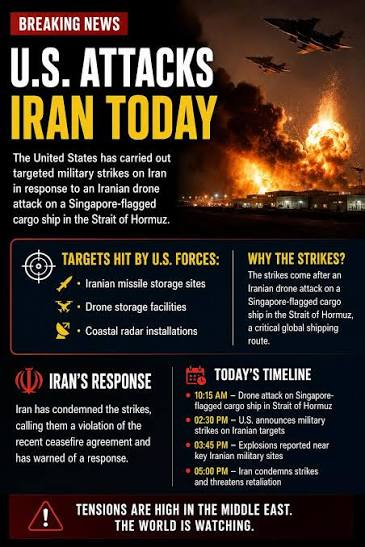
The latest U.S.–Iran tensions have once again become one of the world’s biggest news stories after a security incident near the Strait of Hormuz raised fears of a wider regional conflict. The strategic waterway, which handles a significant share of the world’s oil shipments, has become the center of renewed geopolitical uncertainty.
According to international reports, the United States has increased its military readiness in the Gulf region following attacks targeting commercial shipping routes. While investigations continue, the incident has sparked concerns among governments, businesses, and financial markets worldwide.
Why the Strait of Hormuz Is So Important
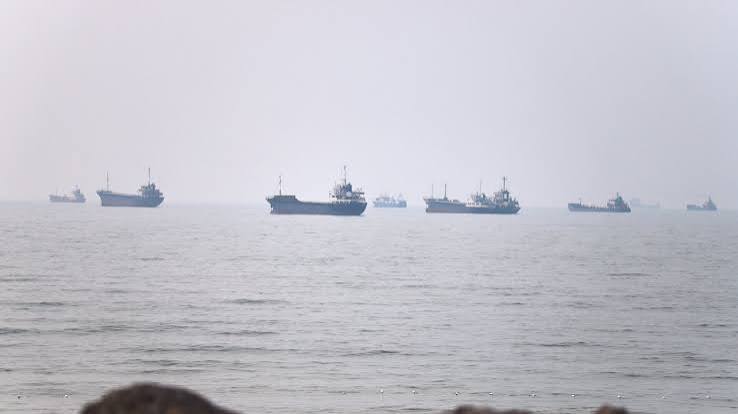
The Strait of Hormuz connects the Persian Gulf with the Gulf of Oman and the Arabian Sea. Nearly one-fifth of the world’s oil exports pass through this narrow shipping lane every day.
Because of its strategic importance, any disruption in the area immediately affects global energy supplies. Rising U.S.–Iran tensions have once again highlighted how vulnerable international trade remains to regional conflicts.
Energy analysts warn that prolonged instability could create supply chain challenges and increase transportation costs for oil and gas shipments worldwide.
U.S. Strengthens Military Presence
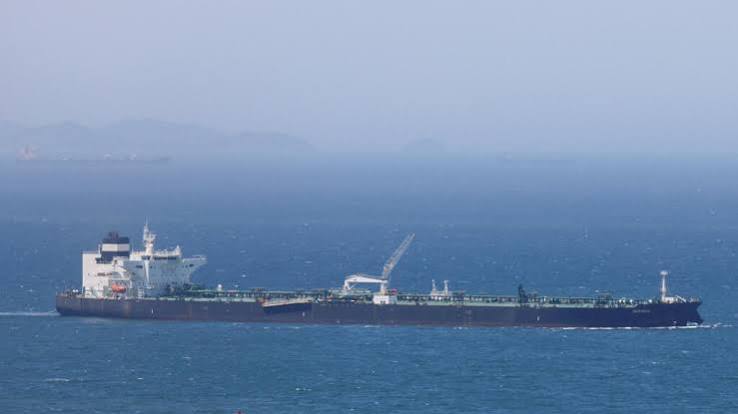
Following the latest developments, the United States has reportedly expanded surveillance operations and strengthened its military presence across the Gulf region.
American defense officials say the primary objective is to protect international shipping routes, support regional allies, and maintain freedom of navigation through one of the world’s busiest maritime corridors.
Military analysts believe these measures are designed to deter further attacks while avoiding direct escalation unless necessary.
Iran Responds to International Pressure
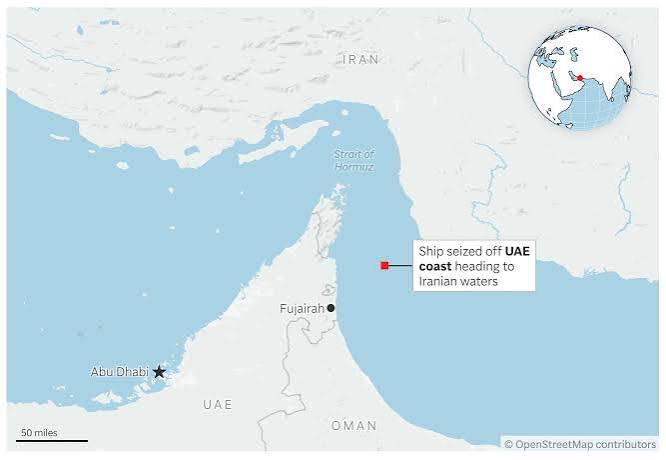
Iran has continued to reject accusations linking it directly to recent attacks while criticizing increased foreign military deployments near its coastline.
Iranian officials argue that regional security should be managed by countries within the Middle East rather than outside powers. Diplomatic statements from Tehran continue to call for dialogue while warning against actions that could increase regional instability.
The ongoing exchange of political statements reflects the complex nature of modern U.S.–Iran tensions, where diplomacy and military readiness continue side by side.
Global Markets React to U.S.–Iran Tensions
Financial markets closely monitor every development involving the Strait of Hormuz because energy prices can change rapidly during periods of geopolitical uncertainty.
Oil prices often experience upward pressure whenever shipping risks increase in the Gulf. Investors also shift toward safer assets during times of heightened international tension.
Shipping companies and insurance providers may also face increased operating costs if security concerns continue, affecting international trade beyond the energy sector.
Diplomatic Efforts Continue
Table of Contents
Despite rising military activity, several international leaders continue encouraging diplomatic negotiations to reduce tensions.
Regional governments and global organizations have emphasized the importance of preventing further escalation that could threaten economic stability and regional peace.
Experts believe maintaining open diplomatic channels remains the most effective path toward avoiding a larger conflict while ensuring maritime security.
Potential Global Impact


The latest U.S.–Iran tensions extend far beyond the Middle East. Any prolonged disruption in the Strait of Hormuz could influence:
- Global oil prices
- International shipping costs
- Inflation in major economies
- Stock market volatility
- Regional security cooperation
Businesses dependent on imported energy continue monitoring developments closely as uncertainty remains high.
What Happens Next?
Security analysts expect the coming days to be critical. Governments will likely continue monitoring intelligence, protecting shipping lanes, and pursuing diplomatic discussions.
While no country has publicly indicated a desire for full-scale conflict, the possibility of additional incidents keeps international attention focused on the Gulf region.
The balance between military deterrence and diplomatic engagement will likely determine whether current U.S.–Iran tensions ease or continue escalating in the weeks ahead.
Conclusion
The renewed U.S.–Iran tensions following the Strait of Hormuz incident demonstrate how regional security challenges can quickly become global economic concerns. As military forces remain on alert and diplomatic discussions continue, governments worldwide are carefully watching every new development.
For businesses, investors, and policymakers, stability in the Gulf remains essential for maintaining secure energy supplies and uninterrupted international trade. The coming days will play a crucial role in shaping the next phase of this important geopolitical story.
Meta Description: U.S.–Iran tensions have intensified following an attack near the Strait of Hormuz. Discover the latest developments, military response, and global economic impact in this exclusive Viro Times report.