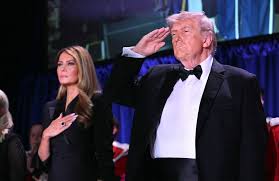
- Iranian Billboard Threatens Trump
- Trump Iran tensions
- Lindsey Graham death
- Tehran billboard
- U.S. Iran conflict
Iranian Billboard Threatens Trump After Lindsey Graham’s Death, Raising New U.S.-Iran Tensions
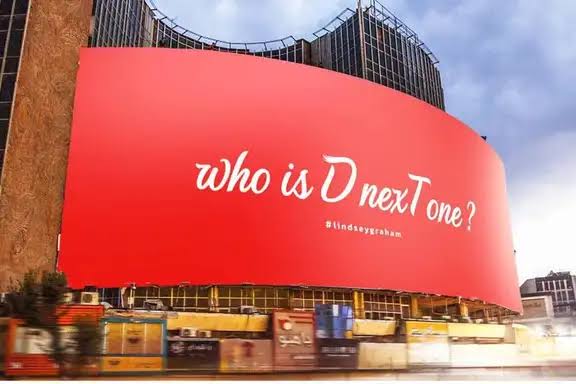
A provocative billboard displayed in Tehran has triggered fresh international attention after appearing to suggest that U.S. President Donald Trump could be the “next one” following the death of longtime Republican Senator Lindsey Graham.
The billboard, reportedly seen in Tehran’s Valiasr Square, carries the message “Who is D nexT one?” along with the hashtag #LindseyGraham. The unusual capitalization of the letters “D” and “T” has led observers to interpret the message as a possible reference to Donald Trump.
The billboard has quickly become a major topic in discussions about the growing tension between Iran and the United States. However, the exact meaning of the message has not been officially explained, and it remains unclear whether it represents a direct threat or a piece of political propaganda.
Why the Tehran Billboard Is Creating Concern

The timing of the billboard has attracted particular attention. It appeared shortly after the reported death of Senator Lindsey Graham, a prominent American politician who had been a strong critic of Iran’s government and a supporter of a tougher U.S. foreign policy toward Tehran.
Because of Graham’s long history of criticizing Iran, the billboard’s reference to his name has been viewed by many observers as politically significant. The phrase “Who is D nexT one?” appears designed to create a connection between Graham’s death and a possible future target.
Although the message does not explicitly name Trump, the unusual use of capital letters has led to widespread speculation about its intended meaning. The interpretation has been amplified by the already tense political and military relationship between Washington and Tehran.
Lindsey Graham Was a Major Iran Critic
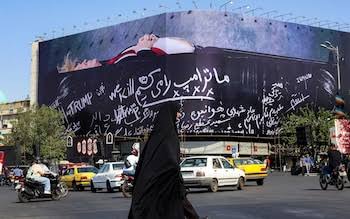
Lindsey Graham was one of the most outspoken U.S. lawmakers on Iran. Throughout his political career, he frequently called for a stronger response to the Iranian regime and supported policies aimed at increasing pressure on Tehran.
His strong views made him a highly controversial figure among Iranian hardliners. Following news of his death, the appearance of the billboard created a new wave of debate over Iran’s political messaging.
Reports have described Graham’s death as sudden, with his passing becoming a major political story in the United States. His death has also led to increased online speculation and misinformation, making it important for readers to separate verified information from unconfirmed claims.
Is the Billboard an Official Threat Against Trump?
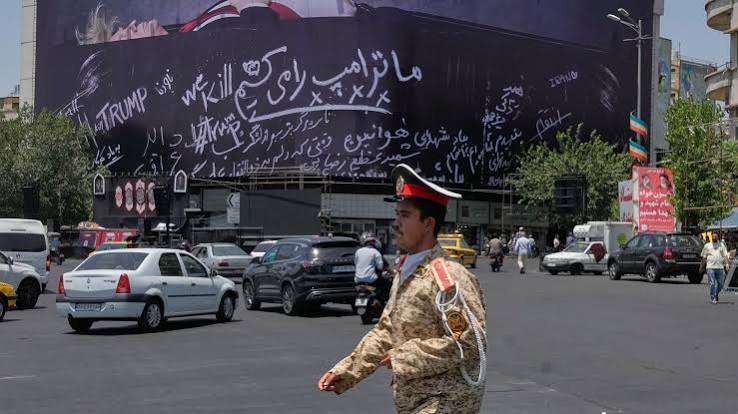
At this stage, the billboard should be described carefully. While many observers believe it appears to target Donald Trump, there has been no clear official statement confirming that Iran has issued a direct operational threat against the U.S. president through the billboard.
Political billboards are often used to send symbolic messages. Governments and political organizations may use public displays to criticize foreign leaders, intimidate opponents or influence public opinion.
The Tehran billboard may therefore be intended as a propaganda message rather than a formal declaration of planned action. Nevertheless, its wording has raised concerns because of the increasingly hostile rhetoric surrounding U.S.-Iran relations.
U.S.-Iran Tensions Continue to Escalate
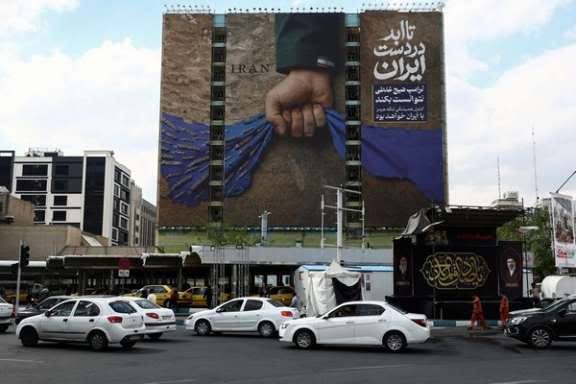
The billboard appears at a time when relations between Iran and the United States remain extremely volatile. Disagreements over military operations, regional security, political power and Iran’s future have contributed to a sharp deterioration in relations.
In recent months, anti-American and anti-Trump messages have appeared in Iran, while U.S. officials have continued to make strong statements about Tehran. The latest billboard has added another provocative symbol to the ongoing confrontation.
Experts say that public threats and aggressive political messaging can increase tensions even when they do not represent an immediate military plan. Such messages can influence public opinion and create additional pressure on leaders to respond.
Trump Remains a Central Figure in the Conflict
Table of Contents
Donald Trump has been one of the most important figures in the U.S.-Iran confrontation. His policies toward Tehran have made him a central target of Iranian political criticism.
The billboard’s apparent reference to Trump has therefore attracted global attention. Supporters of the U.S. president have described the message as deeply concerning, while others argue that its meaning should not be exaggerated without further evidence.
The debate also highlights the power of political symbolism in modern international conflicts. A single billboard can become an international news story when it appears to connect the death of a major political figure with a possible warning aimed at another world leader.
What Happens Next?

The latest development is likely to increase attention on U.S.-Iran relations. Washington may closely monitor Iranian public messaging, while Tehran could continue using political propaganda to communicate its position to domestic and international audiences.
For now, the meaning of the billboard remains open to interpretation. It clearly uses provocative language and appears to reference Donald Trump, but the available reporting does not establish that it represents a confirmed plan to harm the U.S. president.
The Iranian billboard threatening Trump has nevertheless become a powerful symbol of the deepening hostility between Tehran and Washington. As tensions continue, similar political messages could become part of a wider information battle between the two countries.
The incident also demonstrates why readers should carefully distinguish between a provocative political message and a confirmed security threat. While the billboard has generated global headlines, further official information would be needed to determine its exact purpose and significance.
For now, the Tehran billboard remains one of the latest and most controversial developments in the increasingly tense relationship between Iran and the United States.
Meta Description: A new Tehran billboard appears to reference Donald Trump as the “next one” after Lindsey Graham’s death, raising fresh concerns over U.S.-Iran tensions.