- Trump Global Tariffs
- US Tariff News
- Donald Trump Trade Policy
- Global Trade Tensions
- Viro Times
Trump’s New Global Tariffs on 60 Countries Spark Trade Tensions
By Viro Times
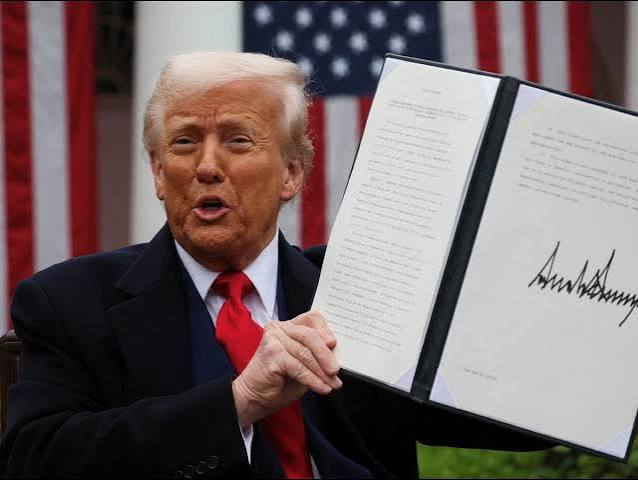
The United States has once again become the center of global trade discussions after President Donald Trump announced a new tariff policy targeting imports from 60 countries. The measure introduces import duties ranging from 10% to 12.5%, marking one of the administration’s latest efforts to reshape international trade relationships and strengthen domestic manufacturing.
The announcement has generated widespread reactions from governments, businesses, and financial markets worldwide. While supporters believe the move will protect American industries, critics warn it could increase costs for consumers and trigger new trade disputes.
Trump Global Tariffs Aim to Protect American Industries

The new Trump Global Tariffs are designed to encourage companies to manufacture products inside the United States rather than relying on foreign imports. According to the administration, higher tariffs will reduce unfair competition and create more jobs for American workers.
Officials argue that many imported goods have benefited from trade practices that disadvantage U.S. manufacturers. By increasing import taxes, the government hopes domestic businesses will become more competitive and invest in expanding production.
Supporters also believe the policy could strengthen America’s industrial base and reduce dependence on overseas supply chains.
Global Trade Partners Respond to Trump’s Tariff Decision
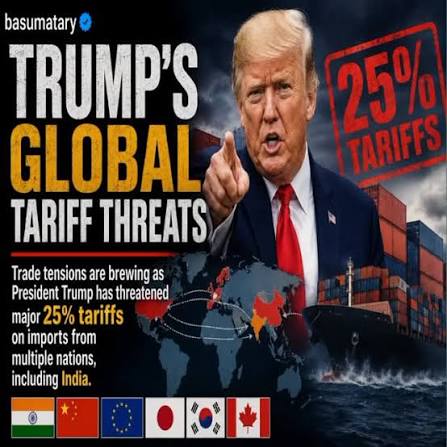
Several countries affected by the new tariff policy have expressed concern about the decision. Trade officials from Europe, Asia, and Latin America are evaluating the potential economic impact and considering possible responses.
Some governments may seek negotiations with Washington, while others could introduce retaliatory tariffs on American exports if discussions fail.
International trade experts warn that escalating tariff disputes can disrupt global supply chains and create uncertainty for multinational companies operating across different markets.
Economic Impact of Trump Global Tariffs

The introduction of the Trump Global Tariffs could have significant economic consequences.
Businesses that rely on imported raw materials may experience higher production costs. These additional expenses could eventually be passed on to consumers through increased prices for everyday products.
Financial analysts also suggest that sectors such as manufacturing, automotive production, electronics, and retail could experience short-term volatility as companies adjust to the new trade environment.
On the other hand, American manufacturers producing goods domestically may benefit from reduced foreign competition, potentially creating new investment opportunities.
Financial Markets React to Trade Policy Changes
Global financial markets closely monitored the tariff announcement. Stock prices of companies heavily dependent on international trade experienced mixed performances as investors evaluated the possible long-term effects.
Currency markets also reacted cautiously, with investors watching for any signs of retaliatory measures from major trading partners.
Economists believe future market stability will depend on whether affected countries choose negotiation or confrontation.
What This Means for Consumers and Businesses
Table of Contents
For American consumers, the new tariffs may gradually influence prices on imported products, including electronics, household goods, machinery, and industrial materials.
Businesses involved in international trade may need to adjust sourcing strategies, renegotiate supplier contracts, or shift manufacturing operations to minimize additional costs.
Companies with diversified supply chains are expected to adapt more quickly than businesses heavily dependent on imports from tariff-affected countries.
Future Outlook for Global Trade


The Trump Global Tariffs represent another major chapter in America’s evolving trade strategy. Whether the policy strengthens domestic manufacturing or leads to broader international trade conflicts will depend on future negotiations between the United States and its trading partners.
Economists expect continued discussions over tariff exemptions, revised trade agreements, and diplomatic efforts aimed at reducing economic uncertainty.
As global markets respond, businesses and investors will closely monitor developments that could reshape international commerce in the months ahead.
Conclusion
President Donald Trump’s decision to impose new tariffs on imports from 60 countries has become one of the most significant trade developments of the year. While the administration believes the policy will support American industries and strengthen domestic production, critics remain concerned about higher consumer prices and growing international trade tensions.
The coming months will determine whether these tariffs lead to stronger economic growth or create new challenges for global commerce. Viro Times will continue providing timely updates and expert analysis on this developing story.