- US–Iran Conflict 2026
- American Airstrikes on Iran
- US Iran War
- Strait of Hormuz Crisis
- Iran Retaliation Against US
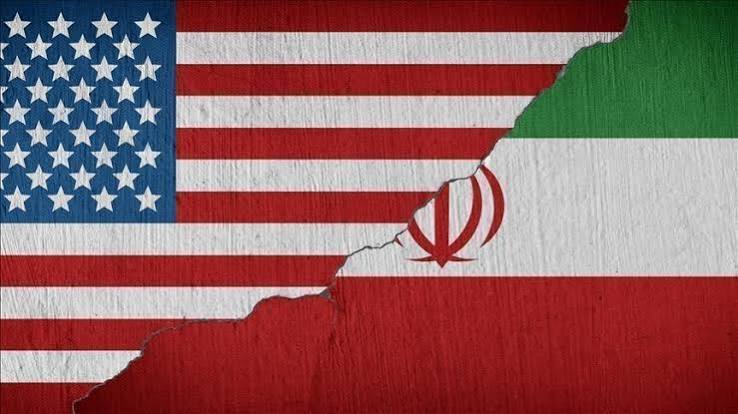
US–Iran Conflict Escalates as New American Airstrikes Raise Global Tensions
Viro Times | World News
The US–Iran conflict has entered a dangerous new phase after the United States launched another round of airstrikes against Iranian military targets, increasing fears that the confrontation could develop into a wider regional war. The latest escalation has drawn international attention as Washington and Tehran continue a cycle of military action and retaliation.
The U.S. military said it carried out strikes for a ninth consecutive night, targeting Iranian military infrastructure, including command centers, air-defense systems, coastal surveillance facilities, missile and drone launch sites, and communications networks. The operation came after the United States reported the death of another American service member, adding to the growing human cost of the conflict.
US–Iran Conflict 2026 Intensifies After Fresh US Airstrikes
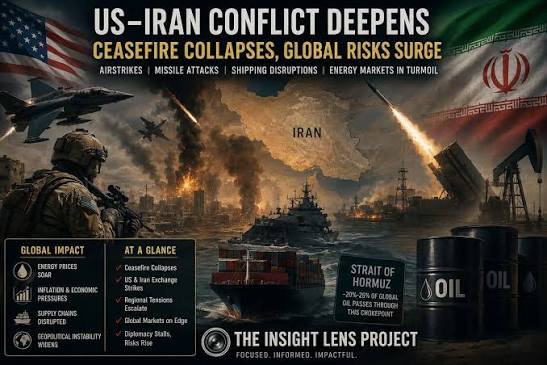
The latest US airstrikes on Iran reflect the rapidly worsening relationship between the two countries. U.S. officials have said the military campaign is aimed at reducing Iran’s ability to threaten American forces and commercial shipping in the region.
The strikes have reportedly focused on facilities linked to Iran’s military capabilities. Washington has described its actions as a response to attacks and security threats involving U.S. personnel and vessels operating near the Gulf.
However, the continued attacks have raised concerns that each new military response could trigger an even larger confrontation. With both sides showing little sign of backing down, international observers are closely watching the next steps from Washington and Tehran.
Iran Retaliation Raises Fears of a Wider Middle East War
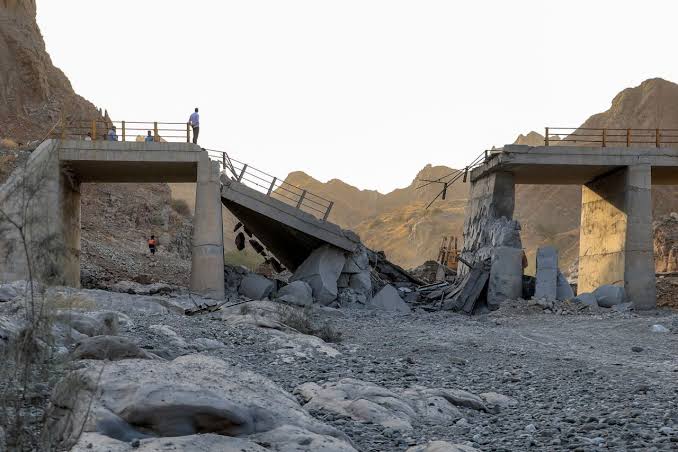
Iran has responded to the new American airstrikes on Iran with retaliatory attacks targeting areas linked to U.S. military operations in the Gulf region. Bahrain and Kuwait have faced heightened security concerns, while governments across the region have increased their military readiness.
The growing exchange of attacks has created fears that the conflict could expand beyond direct U.S.–Iran military operations. Any strike on neighboring countries or major American bases could draw additional governments into the crisis and create a much wider security emergency.
Regional officials are now under pressure to protect their territory while avoiding actions that could further intensify the conflict. The situation remains highly unpredictable as military operations continue.
Strait of Hormuz Crisis Threatens Global Energy Markets

The Strait of Hormuz crisis has become one of the most important consequences of the escalating conflict. The strategic waterway is a major route for global energy shipments, and continued instability has disrupted commercial shipping in the region.
The United States has said its military operations are intended, in part, to reduce threats to vessels traveling through the waterway. Iran’s military responses and the wider regional instability, however, have increased concerns among shipping companies and energy markets.
A prolonged disruption could have consequences far beyond the Middle East. Higher energy costs can increase transportation expenses, put pressure on inflation, and affect consumers and businesses worldwide.
US Iran War Raises Questions About Diplomatic Solutions
The continuing US Iran war has also created new challenges for diplomacy. Earlier efforts to establish a lasting agreement have weakened, while repeated military operations have made trust between the two sides even more difficult to rebuild.
Despite the escalation, international leaders and regional mediators continue to face pressure to find a diplomatic path forward. A ceasefire could reduce the immediate risk of further attacks, but achieving a lasting agreement would require both Washington and Tehran to address major security and political disagreements.
For now, the world remains focused on whether the conflict will continue to expand or whether diplomatic efforts can stop the cycle of retaliation.
What Comes Next in the US–Iran Conflict?
Table of Contents
The future of the US–Iran conflict remains uncertain. Continued American airstrikes could lead to further Iranian retaliation, while attacks on regional allies, military bases, or commercial shipping could dramatically increase the stakes.
The latest developments show how quickly a military confrontation can affect international security, energy markets, and global diplomacy. As the United States and Iran remain locked in a dangerous confrontation, the possibility of further escalation remains a major concern.
Viro Times will continue to follow the latest developments in the US–Iran conflict, American military operations, regional security, and major international news.


Meta Description: The US–Iran conflict intensifies as new American airstrikes target Iranian military infrastructure while Iran retaliates and regional tensions rise.