- US-Iran Tensions and Oil Prices
- US-Iran Conflict
- Crude Oil Prices
- Global Oil Market
- Oil Prices Near $95
US-Iran Tensions and Oil Prices Shake Global Markets
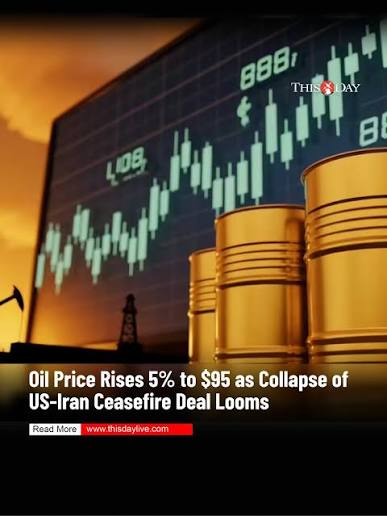
US-Iran tensions and oil prices have once again become one of the biggest concerns for the global economy. As geopolitical uncertainty grows in the Middle East, international crude oil prices have climbed close to $95 per barrel, raising fears of inflation, higher transportation costs, and slower economic growth.
The Middle East supplies a significant share of the world’s crude oil. Whenever tensions rise between the United States and Iran, investors worry about possible disruptions to energy supplies. Even without an actual interruption in production, uncertainty alone is enough to push oil prices higher and increase volatility across financial markets.
How US-Iran Tensions and Oil Prices Are Connected
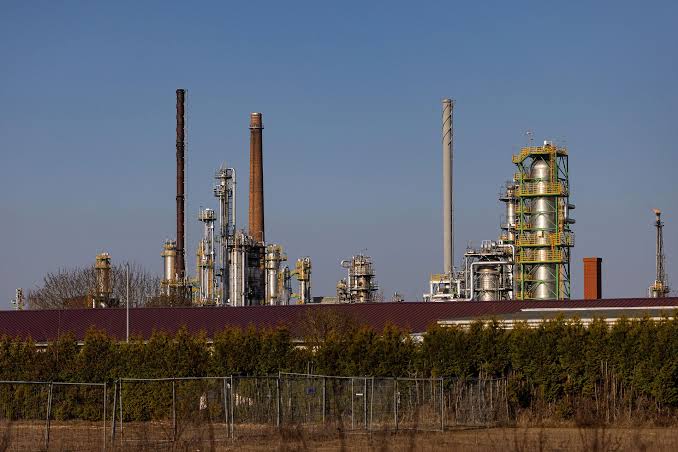
The relationship between US-Iran tensions and oil prices is closely linked to the security of global energy supplies. Iran remains one of the key players in the Middle East’s oil industry, while nearby shipping routes are responsible for transporting millions of barrels of crude oil every day.
If diplomatic relations worsen or military actions threaten regional stability, traders anticipate supply shortages. As a result, they buy oil futures, causing prices to rise quickly. This market reaction often happens before any real disruption occurs, showing how sensitive energy markets are to geopolitical developments.
US-Iran Tensions and Oil Prices Increase Inflation Risks
The latest US-Iran tensions and oil prices are also creating concerns about inflation. Rising energy costs increase the price of fuel, electricity, manufacturing, and transportation.
As businesses spend more on logistics and production, many pass those costs on to consumers. This leads to higher prices for groceries, consumer goods, airline tickets, and essential services.
Central banks around the world have been working to control inflation. However, another surge in oil prices could slow that progress and make future interest rate cuts more difficult.
US-Iran Tensions and Oil Prices Affect Consumers Worldwide
The impact of US-Iran tensions and oil prices extends far beyond the energy sector. Consumers across the globe may experience higher living costs if oil prices remain elevated.
Possible effects include:
- Higher gasoline and diesel prices
- Increased public transportation costs
- More expensive air travel
- Rising food prices due to shipping expenses
- Higher manufacturing and delivery costs
- Increased household energy bills
Developing economies may face even greater challenges because they depend heavily on imported fuel.
US-Iran Tensions and Oil Prices Influence Global Financial Markets
Financial markets are closely monitoring US-Iran tensions and oil prices. Investors generally move toward safer assets during periods of geopolitical uncertainty, while stock markets often experience increased volatility.
Energy companies may benefit from higher crude prices, but airlines, transportation firms, and manufacturers could face rising operating costs.
Currency markets are also reacting as oil-exporting countries gain stronger revenues while oil-importing nations face larger import bills.
US-Iran Tensions and Oil Prices: What Experts Expect Next
Table of Contents
Experts believe the future of US-Iran tensions and oil prices depends largely on diplomatic developments. If negotiations improve and regional tensions ease, crude oil prices could stabilize or decline.
However, any disruption to oil production, shipping routes, or regional infrastructure could push prices above current levels. Energy analysts expect markets to remain highly sensitive to political announcements from both Washington and Tehran.
Governments are also preparing contingency plans to secure energy supplies and reduce the economic impact of prolonged instability.
US-Iran Tensions and Oil Prices Could Reshape Global Energy Policies


The continued rise in US-Iran tensions and oil prices may encourage many countries to reduce their dependence on imported fossil fuels. Governments are likely to accelerate investments in renewable energy, strategic oil reserves, and domestic energy production to improve long-term energy security.
Businesses are also reviewing supply chains to prepare for future disruptions caused by geopolitical conflicts.
Conclusion: US-Iran Tensions and Oil Prices Remain a Major Global Concern
The latest US-Iran tensions and oil prices highlight how geopolitical conflicts can rapidly affect the global economy. With crude oil approaching $95 per barrel, businesses, governments, and consumers are preparing for higher costs and greater economic uncertainty.
Although no major supply disruption has been confirmed, market fears alone have been enough to lift energy prices and increase inflation concerns. The coming weeks will be critical as investors watch diplomatic negotiations, regional security developments, and global energy policies.
For the latest international news, business updates, and energy market analysis, stay connected with Viro Times.
Meta Description: US-Iran tensions are pushing crude oil prices toward $95 per barrel, increasing inflation fears and creating uncertainty across global markets. Read the latest analysis from Viro Times.