- US Senate Iran Resolution
- Trump Iran Policy
- Iran War Powers Debate
- US Foreign Policy News
- Congressional War Powers
US Senate Iran Resolution Becomes a Major Political Story
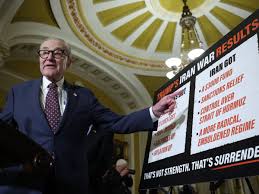
A new political battle is unfolding in Washington after the United States Senate approved a resolution addressing presidential authority over military actions involving Iran. The move has quickly become one of the most discussed political developments in the country, drawing attention from lawmakers, policy experts, and voters alike.
The resolution reflects growing concern among members of Congress about how military decisions are made during periods of international tension. While supporters describe the measure as a constitutional safeguard, critics argue that it could limit the president’s ability to respond rapidly to emerging threats.
For President Donald Trump, the vote introduces a fresh political challenge as debates over national security and foreign policy continue to dominate headlines.
Iran War Powers Debate Returns to the Spotlight
The approval of the resolution has revived a long-running discussion about the balance of power between Congress and the White House. Under the U.S. Constitution, Congress has the authority to declare war, while the president serves as commander-in-chief of the armed forces.
Many senators supporting the resolution believe that any major military action involving Iran should receive clear authorization from Congress before proceeding. They argue that elected representatives must have a direct role in decisions that could lead to extended military engagements.
Others believe presidents need flexibility to make immediate decisions during national security emergencies. This difference in perspective has created a sharp divide among policymakers.
Trump Administration Faces Increased Scrutiny
The Senate vote places additional attention on the Trump administration’s approach to Iran and the broader Middle East. Foreign policy analysts note that tensions involving Iran have remained a significant concern for global markets, diplomatic relations, and regional stability.
Supporters of the administration argue that maintaining a strong stance is necessary to protect American interests and allies. They believe that limiting executive authority could weaken the country’s ability to deter potential threats.
Meanwhile, critics contend that greater congressional oversight promotes transparency and accountability when military operations are being considered.
Congressional Oversight Remains a Key Issue
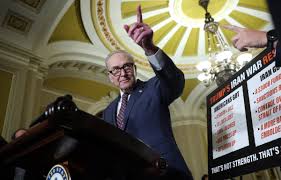
One of the most important aspects of the resolution is its focus on congressional oversight. Lawmakers backing the measure say that decisions involving military force should involve broader consultation and debate.
The discussion goes beyond current events and touches on larger constitutional questions. For decades, both Republican and Democratic administrations have faced criticism regarding the extent of presidential military authority.
As a result, many observers see the latest Senate action as part of a wider effort to redefine how future military decisions are reviewed and approved.
Impact on US Foreign Policy and Iran Relations
Although the resolution does not immediately change existing policies, it could influence future discussions about U.S. involvement in the Middle East. Diplomats and international observers are closely watching how American leaders manage relations with Iran in the months ahead.
The outcome may also affect negotiations, defense planning, and broader foreign policy priorities. Investors and global markets often pay close attention to developments involving Iran because regional tensions can influence energy prices and economic stability.
Political experts suggest that future debates in Congress could shape how the United States approaches security challenges around the world.
Table of Contents
What Happens Next After the Senate Vote?
The resolution’s long-term impact will depend on future political developments and how the administration chooses to respond. While supporters celebrate the vote as an important statement about constitutional authority, opponents view it as an unnecessary restriction on presidential leadership.
Regardless of political opinions, the issue has sparked a nationwide conversation about war powers, government accountability, and national security. Those discussions are expected to continue as lawmakers consider future foreign policy decisions.


Conclusion: A Defining Moment in the War Powers Debate
The Senate’s approval of the Iran war powers resolution marks an important moment in the ongoing debate over presidential authority and congressional responsibility. As tensions in international affairs continue to evolve, questions about who should authorize military action are likely to remain central to American politics.
For President Trump, the vote represents both a political test and an opportunity to defend his foreign policy vision. For Congress, it serves as a reminder of its role in shaping the nation’s most critical security decis
Meta Decption :
The US Senate approves an Iran war powers resolution, sparking debate over Trump’s military authority and Congress’s role in foreign policy.