- Trump Generic Drug Tariff Plan
- US Pharmaceutical Manufacturing
- Generic Drug Tariffs
- Donald Trump Healthcare Policy
- Viro Times
Trump’s Generic Drug Tariff Plan Reshapes US Pharma Policy
By Viro Times
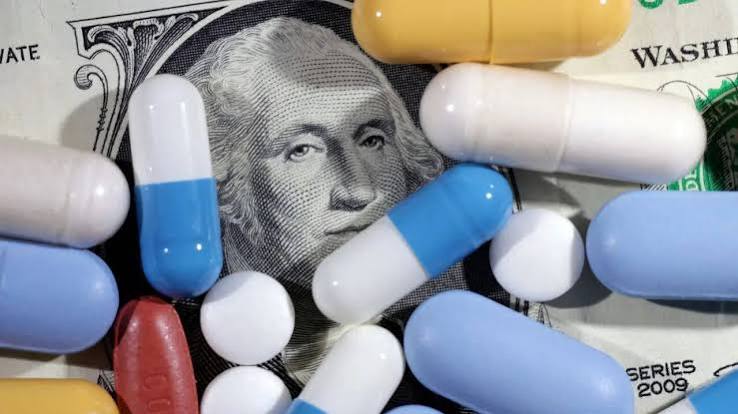
President Donald Trump has announced a proposal to impose new tariffs on imported generic medicines, marking another significant step in his broader America First economic strategy. The initiative is designed to encourage pharmaceutical companies to manufacture more medicines inside the United States instead of relying heavily on overseas production. The proposed policy has already sparked debate among healthcare experts, economists, drug manufacturers, and consumers. While supporters believe the tariffs could strengthen domestic manufacturing and improve supply chain security, critics warn they may increase healthcare costs for millions of Americans.
Trump’s Generic Drug Tariff Plan Aims to Strengthen Domestic Manufacturing

The Trump administration argues that the United States depends too heavily on foreign countries, particularly India and China, for generic medicines and pharmaceutical ingredients.
By introducing tariffs on imported generic drugs, the administration hopes to:
- Encourage pharmaceutical companies to expand US production.
- Reduce dependence on foreign suppliers.
- Improve national healthcare security.
- Create manufacturing jobs across America.
- Build a more resilient pharmaceutical supply chain.
Officials say the COVID-19 pandemic exposed vulnerabilities in global medical supply chains, making domestic production a national priority.
Generic Drug Tariffs Could Impact Medicine Prices
One of the biggest concerns surrounding Trump’s proposal is its potential effect on drug prices.
Generic medicines account for nearly 90% of prescriptions filled in the United States because they offer affordable alternatives to brand-name drugs. If import costs increase due to tariffs, pharmaceutical companies may pass those additional expenses on to consumers.
Healthcare analysts believe the impact could include:
- Higher prescription drug prices.
- Increased insurance costs.
- Greater healthcare spending.
- Financial pressure on hospitals and pharmacies.
However, supporters argue that any short-term increase could be balanced by stronger long-term domestic production.
US Pharmaceutical Industry Responds to Trump’s Tariff Proposal

The pharmaceutical industry has expressed mixed reactions.
Several US manufacturers support the initiative, saying it creates incentives for companies to invest in new production facilities and create high-paying manufacturing jobs.
Meanwhile, companies that depend heavily on imported generic medicines have raised concerns about rising operational costs and possible supply shortages during the transition period.
Industry experts also note that building new pharmaceutical manufacturing plants requires significant investment and may take several years before production reaches full capacity.
Global Trade Partners May React to New Drug Tariffs
Because many generic medicines are imported from countries such as India and China, international trade partners are expected to monitor the proposal closely.
Possible consequences include:
- Trade negotiations with exporting nations.
- Adjustments in pharmaceutical supply chains.
- Increased investment in US manufacturing.
- Changes in international medicine pricing.
Global healthcare markets are watching to see whether the proposal becomes official policy.
Healthcare Experts Debate the Long-Term Benefits
Table of Contents
Medical policy experts remain divided over the proposal.
Supporters believe domestic manufacturing can improve national security by ensuring stable medicine supplies during future emergencies.
Critics argue that tariffs alone cannot solve pharmaceutical supply issues without additional investment, workforce development, regulatory reform, and manufacturing incentives.
Some economists also recommend combining tariffs with tax incentives to encourage companies to relocate production facilities to the United States.
What Happens Next for Trump’s Generic Drug Tariff Plan?


The proposal is expected to undergo policy reviews before implementation.
Government agencies, pharmaceutical companies, healthcare organizations, and trade experts will likely provide feedback on how the tariffs could affect patients, manufacturers, and the broader economy.
If approved, the policy could become one of the most significant pharmaceutical trade changes in recent years.
Conclusion: Trump’s Generic Drug Tariff Plan Signals a New Direction
President Donald Trump’s proposed tariffs on imported generic medicines reflect a broader effort to strengthen American manufacturing and reduce dependence on foreign pharmaceutical suppliers.
While supporters see the plan as a strategic investment in national security and economic growth, critics remain concerned about its possible impact on medicine affordability.
As policymakers continue evaluating the proposal, its outcome could reshape the future of the US pharmaceutical industry and influence global healthcare markets for years to come.
Meta Description President Donald Trump’s new generic drug tariff plan aims to boost US pharmaceutical manufacturing, reduce foreign dependence, and reshape healthcare costs. Read the latest analysis from Viro Times