- US-Saudi Nuclear Cooperation Agreement
- Trump Saudi Nuclear Deal
- US Saudi Arabia Nuclear Agreement
- Saudi Nuclear Energy Program
- Viro Times US News
US-Saudi Nuclear Cooperation Agreement Becomes a Major Global Story
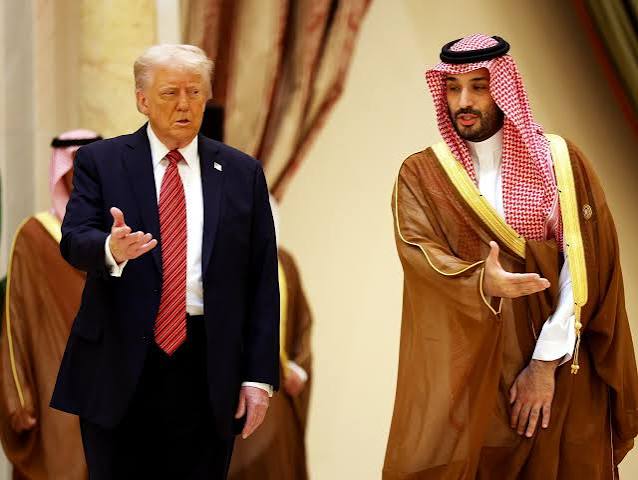
The US-Saudi Nuclear Cooperation Agreement has become one of the most talked-about international developments after the Trump administration approved a new framework for civilian nuclear cooperation with Saudi Arabia. The proposed agreement is intended to strengthen strategic relations between Washington and Riyadh while supporting Saudi Arabia’s long-term energy diversification plans.
However, the announcement has immediately triggered debate among U.S. lawmakers, security analysts, and international observers. Critics argue that any transfer of advanced nuclear technology requires strict safeguards to prevent nuclear weapons proliferation, while supporters believe the agreement could improve regional stability through stronger diplomatic partnerships.
According to Viro Times, the agreement is expected to remain a key issue in U.S. foreign policy discussions throughout the coming months.
US-Saudi Nuclear Cooperation Agreement Aims to Strengthen Strategic Relations
The primary goal of the US-Saudi Nuclear Cooperation Agreement is to expand cooperation in peaceful nuclear energy. Saudi Arabia has been investing heavily in renewable and alternative energy sources as part of its Vision 2030 economic transformation program.
Under the proposed partnership, American companies could assist Saudi Arabia in developing civilian nuclear infrastructure, training specialists, and implementing advanced nuclear safety standards.
Supporters argue that closer cooperation will:
- Strengthen the long-standing U.S.-Saudi alliance.
- Create new opportunities for American energy companies.
- Support global energy security.
- Reduce Saudi Arabia’s dependence on oil for domestic electricity production.
These objectives make the agreement strategically important for both nations.
US-Saudi Nuclear Cooperation Agreement Aims to Strengthen Strategic Relations
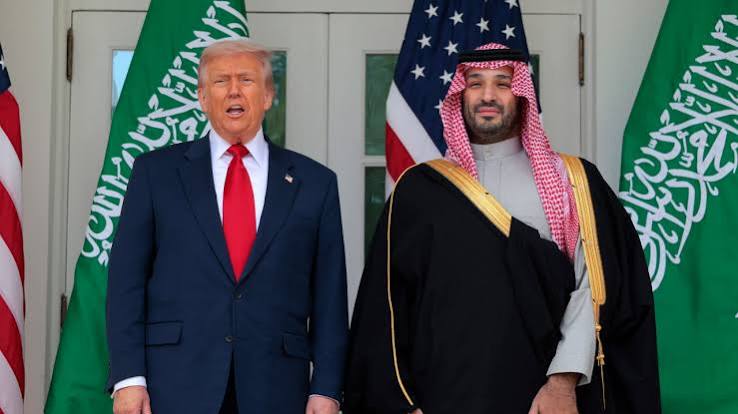
Despite its potential economic benefits, the US-Saudi Nuclear Cooperation Agreement has generated significant political debate in Washington.
Several members of Congress have expressed concerns regarding:
- Nuclear technology safeguards.
- Regional military balance.
- Human rights issues.
- Long-term monitoring requirements.
Lawmakers are expected to review whether the agreement includes sufficient protections to prevent uranium enrichment or nuclear weapons development.
Experts note that similar agreements with other countries have required extensive oversight before receiving final approval.
Middle East Security Could Be Influenced by the US-Saudi Nuclear Cooperation Agreement
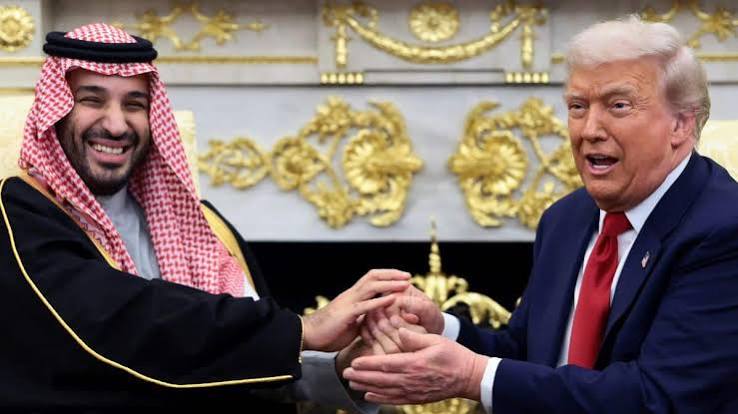
Security analysts believe the US-Saudi Nuclear Cooperation Agreement could reshape geopolitical dynamics across the Middle East.
Some experts argue that closer nuclear cooperation with Saudi Arabia may encourage other regional countries to expand their own civilian nuclear programs.
Others believe stronger U.S. involvement could reduce the influence of competing global powers seeking strategic partnerships in the Gulf region.
The agreement also comes during a period of continued regional tensions involving Iran, making diplomatic balance especially important.
Economic Impact of the US-Saudi Nuclear Cooperation Agreement
Beyond national security, the US-Saudi Nuclear Cooperation Agreement could generate substantial economic opportunities.
Potential benefits include:
- Multi-billion-dollar infrastructure investments.
- Engineering and construction contracts.
- Job creation within the American energy sector.
- Expansion of clean energy technology exports.
- Increased cooperation in scientific research.
Energy experts believe nuclear power may become an important component of Saudi Arabia’s future electricity production strategy.
International Reactions to the US-Saudi Nuclear Cooperation Agreement
Table of Contents
Governments around the world are closely monitoring the agreement.
Many Western allies support peaceful nuclear cooperation when it complies with international safety standards established by the International Atomic Energy Agency (IAEA).
Meanwhile, some international observers continue to call for maximum transparency regarding inspections, fuel management, and nuclear safeguards before the agreement moves forward.
The diplomatic response is expected to evolve as negotiations continue.
What Happens Next for the US-Saudi Nuclear Cooperation Agreement?


The future of the US-Saudi Nuclear Cooperation Agreement will depend on congressional review, regulatory approval, and continued negotiations between both governments.
If finalized, the agreement could become one of the most significant U.S.-Middle East energy partnerships in recent years. Policymakers will likely focus on ensuring that economic cooperation is balanced with strong non-proliferation commitments and international security standards.
For investors, diplomats, and global energy markets, the outcome of these discussions will remain an important development to watch.
Conclusion
The US-Saudi Nuclear Cooperation Agreement represents a major step in U.S.-Saudi relations while raising important questions about regional security, nuclear safeguards, and global diplomacy. Although supporters highlight economic growth and energy cooperation, critics continue to emphasize the need for rigorous oversight and transparency.
As discussions continue in Washington, the agreement will remain a significant topic shaping American foreign policy and Middle East affairs. Viro Times will continue providing updates and in-depth analysis as new developments emerge.
Meta Description: Explore how the US-Saudi Nuclear Cooperation Agreement approved by the Trump administration could reshape Middle East security, energy cooperation, and U.S. foreign policy. Read the latest analysis from Viro Times.