- Oil Prices Rise
- Middle East Tensions
- U.S. Gas Prices
- Inflation Concerns
- Viro Times
Oil Prices Rise as Middle East Tensions Fuel U.S. Gas Price and Inflation Concerns
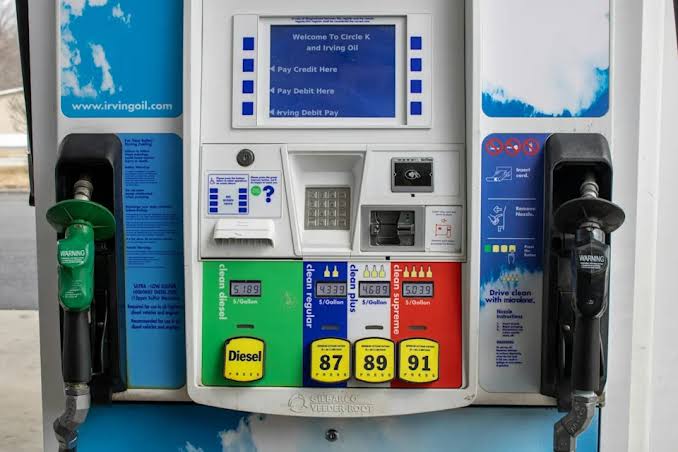
Global energy markets are once again under pressure as oil prices rise following renewed geopolitical tensions in the Middle East. Investors are closely watching developments in the region, where uncertainty surrounding energy supplies has pushed crude oil prices higher. The increase is already raising concerns across the United States, with analysts warning that higher fuel costs could contribute to inflation and affect economic growth.
According to market observers, energy traders are reacting to fears that supply disruptions could occur if regional tensions continue to escalate. As a result, American consumers may soon experience higher gasoline prices, while businesses face rising transportation and operating costs.
Oil Prices Rise Following Middle East Instability
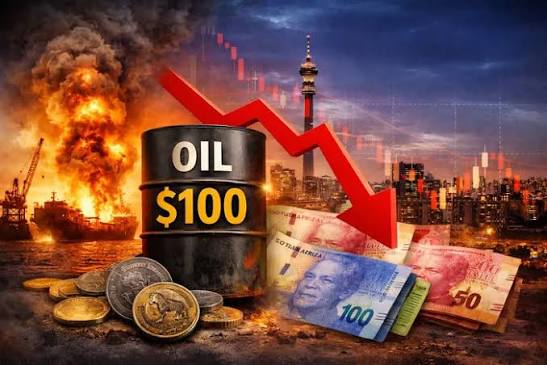
The latest increase in crude oil prices reflects growing concerns over the stability of global energy supplies. The Middle East remains one of the world’s largest oil-producing regions, meaning any political or military conflict there can quickly influence international markets.
When uncertainty increases, investors often anticipate possible supply shortages, driving oil prices upward. Financial markets also become more volatile as energy companies, airlines, and manufacturing industries respond to changing fuel costs.
For the United States, even though domestic oil production remains strong, global pricing continues to influence gasoline costs nationwide.
Higher Gas Prices Could Affect American Families
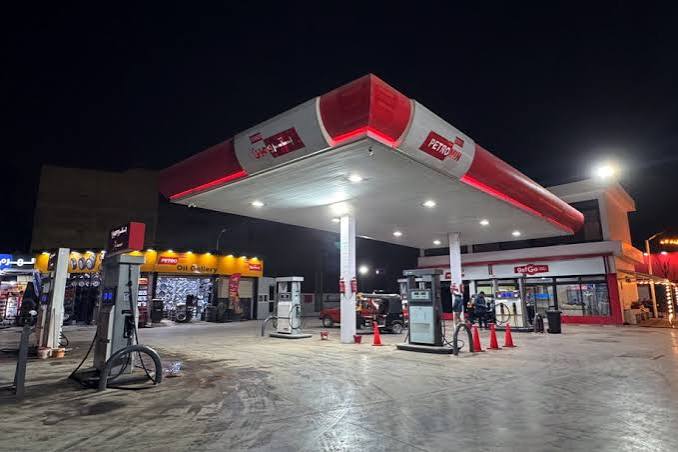
As oil prices rise, Americans may soon notice the impact at local gas stations. Higher crude oil prices generally lead to increased gasoline and diesel prices, making commuting and transportation more expensive.
Households that rely on daily driving could face larger monthly fuel bills. Businesses that transport goods by truck, rail, or air may also experience increased operating expenses. Those higher costs are often passed on to consumers through increased prices for food, retail products, and essential services.
Energy analysts say transportation and logistics sectors are usually among the first industries to feel the effects of rising oil prices.
Oil Prices Rise and Inflation Risks Increase
One of the biggest concerns for economists is the connection between oil prices rise and inflation.
Energy is a critical component of nearly every sector of the economy. When fuel becomes more expensive, production costs increase for manufacturers, shipping companies, and retailers. These higher expenses frequently lead to higher consumer prices.
If inflation accelerates, the Federal Reserve could face additional pressure when considering future monetary policy decisions. Higher interest rates designed to control inflation may also affect borrowing costs for businesses and consumers.
This combination creates uncertainty for investors and financial markets.
Stock Markets React to Energy Price Volatility
Wall Street continues monitoring energy markets as investors evaluate the broader economic outlook.
Historically, rising oil prices benefit many energy companies while placing pressure on industries that consume large amounts of fuel, including airlines, transportation firms, and manufacturing businesses.
Technology stocks and consumer-focused companies may also experience increased volatility if investors believe higher inflation could reduce consumer spending.
Market analysts expect financial markets to remain sensitive until geopolitical tensions ease and oil supplies stabilize.
Global Economic Outlook Remains Uncertain
Table of Contents
Beyond the United States, rising energy costs are affecting economies worldwide.
Countries heavily dependent on imported oil face greater financial pressure as fuel expenses increase. Central banks across several regions are closely monitoring inflation risks while governments evaluate strategies to protect consumers from rising energy bills.
International organizations continue emphasizing the importance of stable energy markets to support global economic recovery and maintain investor confidence.
What Comes Next for Oil Prices?


The direction of oil prices will largely depend on future geopolitical developments and global supply conditions.
If diplomatic efforts help reduce regional tensions, crude oil prices could stabilize. However, any disruption to production or shipping routes could push prices even higher.
Energy experts recommend that consumers and businesses monitor fuel price trends while preparing for potential short-term volatility.
Conclusion
The latest surge in oil prices highlights how geopolitical events can quickly affect the global economy. As oil prices rise, Americans may experience higher gasoline costs, renewed inflation concerns, and increased market uncertainty.
While the long-term outlook depends on diplomatic progress and energy supply stability, businesses, investors, and consumers will continue watching developments closely. Viro Times will provide ongoing updates as the situation evolves and its impact on the U.S. economy becomes clearer.
Meta Description: Oil prices rise amid escalating Middle East tensions, increasing concerns over U.S. gas prices, inflation, and economic growth. Read the latest analysis from Viro Times.