- US Senate Vote on Iran
- Iran Military Action
- Trump Foreign Policy
- US-Iran Tensions
- Congressional War Powers
US Senate Vote on Iran Military Action Becomes a Major Political Story
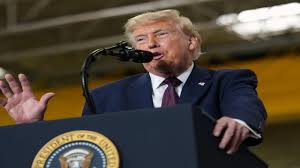
The United States Senate has passed a resolution aimed at limiting presidential authority over military action involving Iran, creating a significant political debate across Washington. The move comes amid rising tensions in the Middle East and growing concerns about the possibility of a broader regional conflict.
The Senate vote has drawn attention from lawmakers, foreign policy experts, and international observers who see the decision as an important moment in the ongoing discussion about war powers and executive authority in the United States.
US Iran Military Action Vote Highlights Congressional Oversight
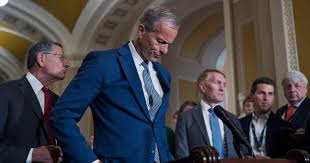
The recent Senate action reflects concerns among legislators about ensuring congressional oversight when military force is considered. Supporters of the resolution argue that decisions involving military operations against Iran should require broader consultation and approval from Congress.
Lawmakers backing the measure stated that the U.S. Constitution grants Congress the authority to declare war, making legislative involvement essential when considering military engagement. They believe the resolution reinforces checks and balances within the American political system.
At the same time, opponents argue that presidents need flexibility to respond quickly to national security threats and protect American interests abroad.
US Trump Foreign Policy Faces New Political Challenge
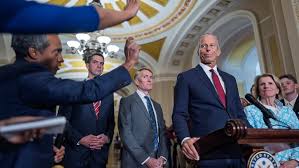
The Senate vote is widely viewed as a challenge to President Donald Trump’s foreign policy approach. Throughout his political career, Trump has emphasized a strong national security posture and a willingness to take decisive action against perceived threats.
Political analysts say the resolution does not necessarily prevent future military action, but it sends a powerful message regarding congressional concerns about escalating tensions with Iran.
The debate has also intensified partisan divisions, with lawmakers from both major parties expressing different views on how the United States should handle relations with Tehran.
US-Iran Tensions Continue to Shape Global Politics
Relations between Washington and Tehran have remained complex for years. Disputes over regional security, economic sanctions, nuclear activities, and military operations have repeatedly placed the two countries at odds.
Recent developments have renewed international attention on the relationship. Many governments are closely monitoring diplomatic efforts while urging restraint from all sides.
Energy markets, global investors, and security analysts are also watching the situation carefully, as any escalation could affect oil prices, international trade routes, and regional stability.
Impact of the Senate Resolution on Future US Policy
Experts suggest that the Senate resolution may influence future discussions about military authority and foreign policy decision-making. Even if immediate policy changes are limited, the vote establishes an important political precedent.
The debate could encourage future administrations and lawmakers to clarify the balance of power between Congress and the White House when dealing with military operations abroad.
Foreign policy specialists believe the resolution may also affect diplomatic negotiations by signaling that significant military decisions face increased scrutiny from elected representatives.
Table of Contents
Why the Iran Military Action Debate Matters
The discussion surrounding Iran is about more than a single foreign policy issue. It touches on fundamental questions regarding constitutional authority, national security, and democratic accountability.
Supporters of congressional oversight argue that military decisions should involve broad public representation through elected lawmakers. Critics, however, maintain that rapid decision-making is often necessary in a fast-changing security environment.
As tensions in the Middle East remain a global concern, the outcome of this debate could shape American foreign policy for years to come.


Conclusion: Senate Vote Marks a Significant Moment in US Politics
The Senate’s vote to limit presidential authority regarding potential military action against Iran has become one of the most discussed political developments in the United States. The resolution highlights ongoing disagreements over war powers, executive authority, and the nation’s role in international affairs.
While opinions remain divided, the debate underscores the importance of balancing national security priorities with constitutional safeguards. As Washington continues to navigate complex challenges in the Middle East, the issue is likely to remain at the center of political and diplomatic discussions.
Meta Description:
US Senate vote on Iran military action sparks political debate as lawmakers discuss war powers, congressional oversight, and the future of US-Iran relations.