- US-Iran Conflict Escalates
- Iran Drone Attacks
- US Airstrikes Middle East
- Bahrain Kuwait Missile Attack
- Viro Times News
By Viro Times
US-Iran Conflict Escalates as Regional Tensions Reach a New Peak
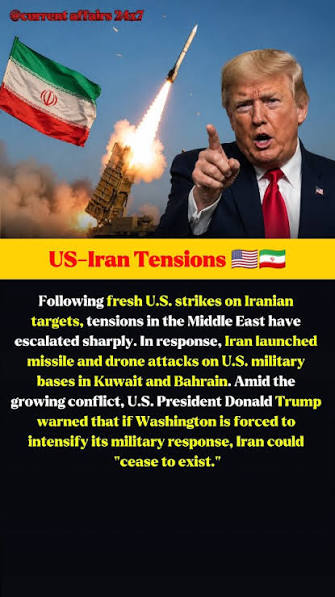
The US-Iran conflict escalates once again after Iran reportedly launched drone and missile attacks targeting military facilities in Bahrain and Kuwait following recent US airstrikes. The latest exchange has significantly increased concerns about stability across the Middle East, with analysts warning that the situation could have lasting effects on global security, energy markets, and diplomatic relations.
Governments around the world are closely monitoring developments as fears grow that the confrontation could expand beyond the immediate region.
US Airstrikes Trigger Iran’s Military Response
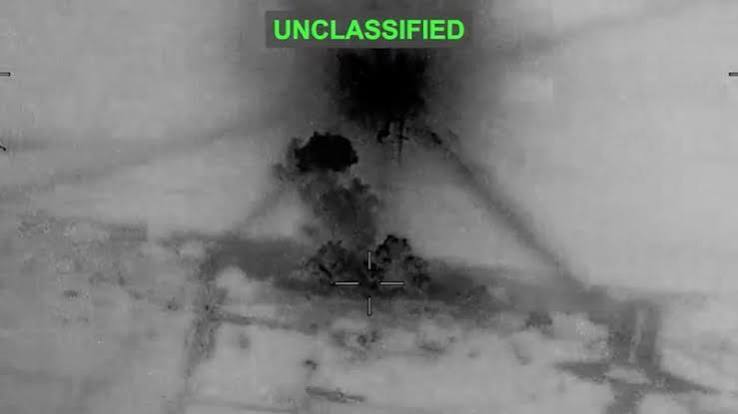
The latest crisis began after the United States conducted military strikes against locations linked to Iranian-backed forces. According to defense officials, the operation was intended to reduce security threats against American personnel stationed in the Middle East.
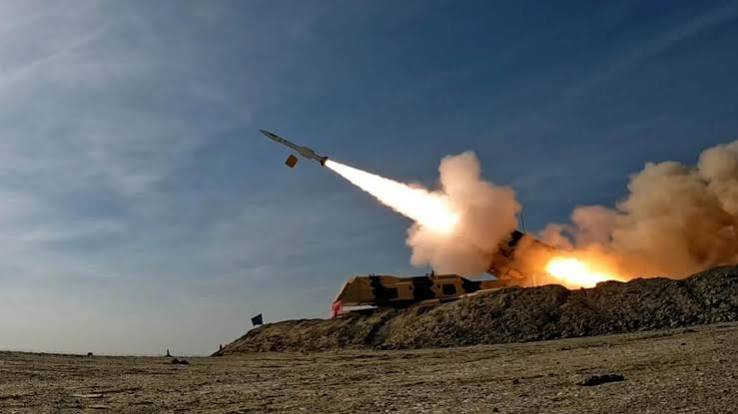
Iran responded by launching drones and missiles toward strategic locations in Bahrain and Kuwait, countries that host important US military assets. While authorities continue to assess the full impact, regional governments immediately activated air defense systems and heightened military readiness.
The exchange represents one of the most serious military confrontations between Washington and Tehran in recent years.
US-Iran Conflict Escalates Amid Growing Diplomatic Uncertainty
The US-Iran conflict escalates at a time when international leaders had hoped diplomatic negotiations could reduce tensions. Those efforts now face significant challenges as military actions continue to dominate headlines.
Several countries have urged both sides to exercise restraint and avoid additional attacks that could destabilize the region further. International organizations have also expressed concern that continued escalation may threaten civilian safety and disrupt critical trade routes.
Diplomatic experts believe that rebuilding trust between both governments will become increasingly difficult if military operations continue.
Oil Markets React to Rising Middle East Risks
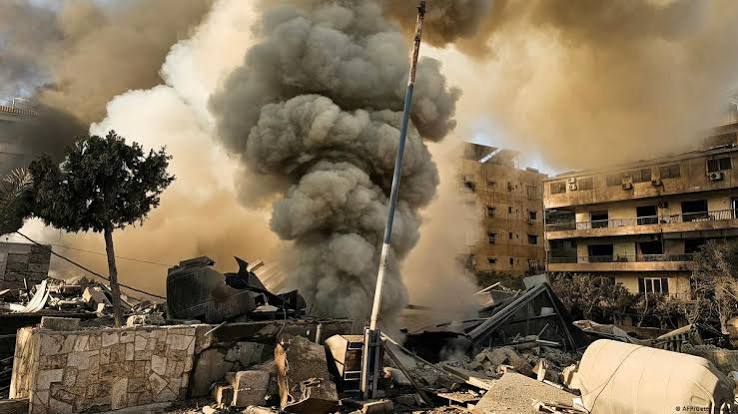
Financial markets responded quickly as investors evaluated the possibility of broader regional instability.
Global oil prices showed increased volatility because the Middle East remains one of the world’s largest energy-producing regions. Any disruption involving shipping lanes or energy infrastructure could influence fuel supplies worldwide.
Economists note that prolonged tensions could affect transportation costs, inflation, and international trade if uncertainty continues over the coming weeks.
Regional Security Forces Increase Military Preparedness
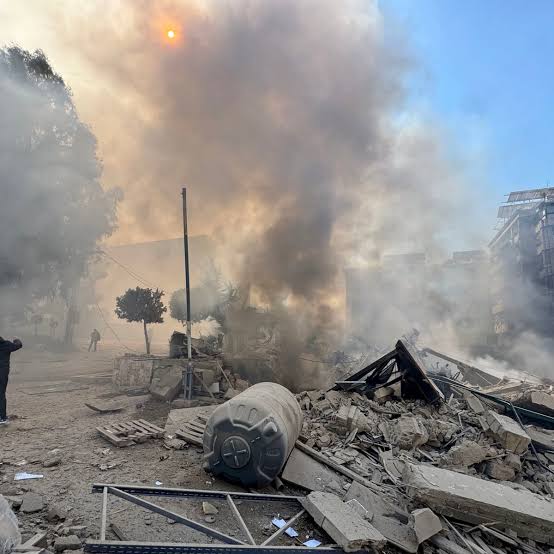
Countries across the Gulf have strengthened security measures following the latest attacks.
Military installations have increased surveillance, while governments continue working with allies to monitor potential threats. Airports, ports, and strategic infrastructure are also operating under heightened security protocols.
Defense analysts believe regional cooperation will remain essential to prevent additional incidents from expanding into a larger military confrontation.
Global Leaders Call for Immediate De-escalation
Table of Contents
World leaders have called for urgent diplomatic engagement between the United States and Iran.
Several governments emphasized that continued military retaliation could create wider instability throughout the Middle East. International diplomats are encouraging renewed dialogue aimed at reducing tensions and preventing further violence.
Political observers say diplomacy remains the most effective path toward avoiding a prolonged regional crisis.
What the Escalating US-Iran Conflict Means for Global Markets


The ongoing confrontation extends far beyond the Middle East.
Investors are watching financial markets closely as uncertainty affects energy prices, defense stocks, and international trade expectations. Businesses with operations in the region are reviewing contingency plans while shipping companies remain alert for possible disruptions.
Experts warn that if military exchanges continue, the economic consequences may spread across global markets in the months ahead.
Future Outlook for the US-Iran Conflict
The coming days will likely determine whether the situation moves toward diplomacy or further confrontation.
Military officials remain on high alert, while diplomatic channels continue operating behind the scenes. Although both nations possess significant military capabilities, many international observers hope negotiations can prevent a broader regional conflict.
For now, the US-Iran conflict escalates remains one of the most closely followed international stories, with potential consequences for global security, energy supplies, and geopolitical stability.
Conclusion
The latest exchange between the United States and Iran has intensified an already fragile security environment in the Middle East. Iran’s reported drone and missile attacks following US airstrikes have increased concerns about regional stability and global economic impacts. As governments call for restraint and diplomacy, the world continues watching whether negotiations can prevent further escalation.
Meta Decption
US-Iran conflict escalates after Iran launches drone and missile attacks following US airstrikes, raising Middle East tensions and global security concerns.