- US-Iran Peace Talks
- US Iran Conflict 2026
- Middle East Tensions
- Doha Peace Negotiations
- Viro Times World News
US-Iran Peace Talks Resume After Military Escalation | Viro Times
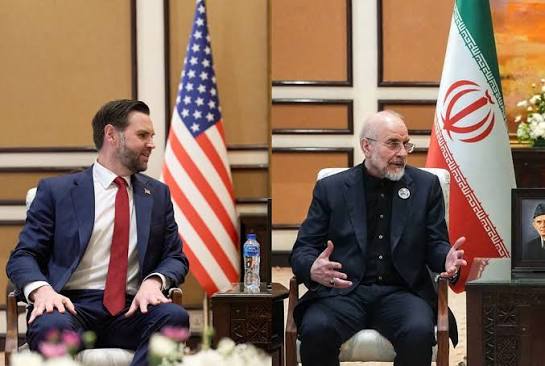
The US-Iran peace talks have returned to the international spotlight after days of heightened military tensions across the Middle East. Following recent airstrikes and retaliatory military actions, both Washington and Tehran have reportedly agreed to halt further attacks while preparing for a new round of diplomatic negotiations in Doha. The latest developments have raised cautious optimism among world leaders, financial markets, and regional allies. While the security situation remains fragile, renewed diplomatic efforts could mark an important step toward reducing the risk of a broader regional conflict
US-Iran Peace Talks Mark a New Diplomatic Opportunity
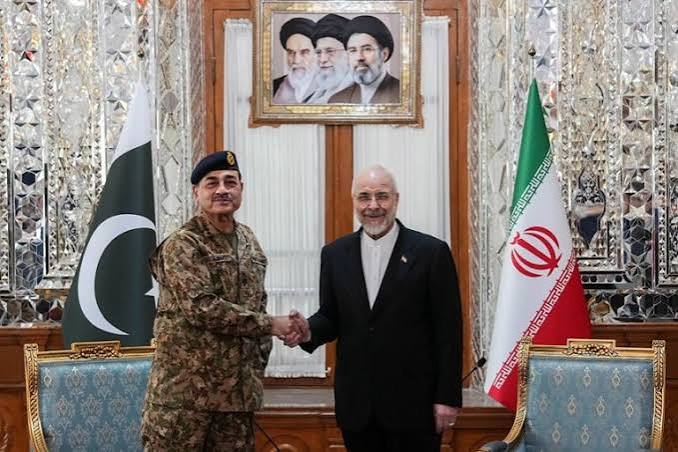
The decision to resume US-Iran peace talks comes after intense international pressure to avoid further military escalation. Mediators from Qatar and several regional partners have been actively encouraging both sides to return to the negotiating table.
Diplomatic sources suggest that the upcoming discussions will focus on reducing military tensions, improving regional security, and creating mechanisms to prevent future confrontations.
Although neither side has announced a comprehensive agreement, the willingness to continue dialogue represents a positive shift after weeks of uncertainty.
Military Escalation Increased Global Concerns
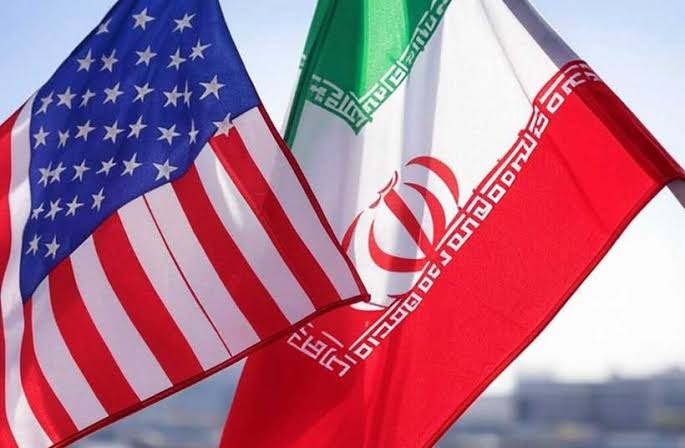
The recent exchange of military strikes significantly increased fears of a wider conflict throughout the Middle East. Military installations, strategic infrastructure, and regional security became major concerns for governments worldwide.
Analysts warned that prolonged confrontation between the United States and Iran could disrupt international shipping routes, increase energy prices, and threaten global economic stability.
The temporary pause in hostilities has provided some relief, but experts emphasize that the situation remains highly sensitive until formal agreements are reached.
Doha Becomes the Center of US-Iran Peace Talks
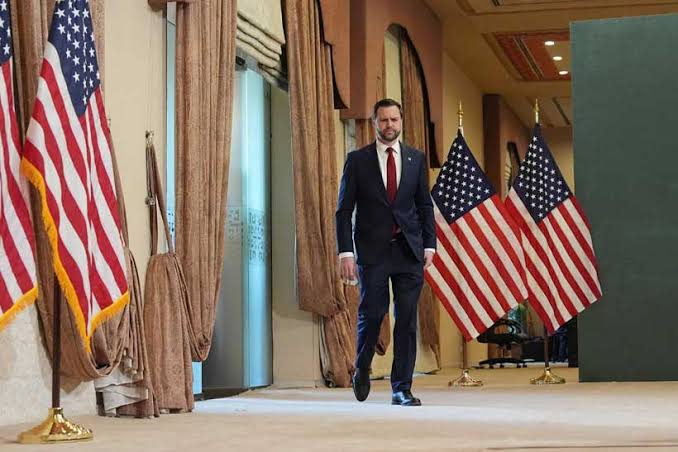
Doha has once again emerged as an important diplomatic hub for Middle East negotiations.
Officials familiar with the discussions believe the talks may include several key topics:
- Preventing future military escalation.
- Regional maritime security.
- Humanitarian cooperation.
- Confidence-building measures.
- Long-term diplomatic engagement.
Qatar has played a significant role in facilitating communication between Washington and Tehran during previous negotiations, making Doha a trusted venue for sensitive diplomatic discussions.
Global Markets React to Diplomatic Progress
Financial markets responded positively after reports suggested both countries were preparing for fresh negotiations.
Oil prices stabilized after earlier volatility, while global stock markets showed cautious gains as investors welcomed signs that immediate military confrontation could be avoided.
Energy analysts note that any lasting agreement between the United States and Iran could reduce uncertainty in global energy markets, particularly regarding oil exports and shipping routes through the Gulf region.
However, investors remain cautious because negotiations could still face unexpected challenges.
Challenges Facing the Peace Process
Table of Contents
Despite renewed diplomatic efforts, several major obstacles remain before any lasting agreement can be achieved.
Among the biggest challenges are:
- Deep political mistrust between both governments.
- Regional security disputes.
- Economic sanctions.
- Military presence in strategic areas.
- Verification of future commitments.
Diplomatic experts say confidence-building measures will be essential before broader agreements become possible.
Any misunderstanding or unexpected military incident could quickly reverse recent progress.
International Community Supports Diplomatic Solutions


Many international leaders have welcomed the renewed negotiations, urging both countries to continue peaceful dialogue.
Global organizations and regional governments have consistently emphasized that diplomacy remains the most effective path toward long-term stability.
Several countries are expected to continue supporting mediation efforts while encouraging restraint from all parties involved.
The international community believes reducing military tensions would benefit not only the Middle East but also global trade, energy markets, and international security.
What Comes Next?
The coming days will be critical for the future of US-Iran peace talks.
If negotiations in Doha produce meaningful progress, both nations could begin rebuilding diplomatic communication while lowering regional tensions.
However, analysts caution that successful diplomacy requires patience, compromise, and sustained political commitment from both sides.
Although optimism has increased following the temporary halt in military actions, the peace process remains at an early stage. The world will closely watch whether dialogue can replace confrontation and create a more stable future for the Middle East.
Conclusion
The renewed US-Iran peace talks represent an important opportunity to reduce one of the world’s most closely watched geopolitical conflicts. While recent military escalation demonstrated how quickly tensions can rise, the decision to return to diplomacy offers hope that further violence can be prevented.
For global markets, regional stability, and international security, the success of these negotiations could have lasting consequences. As discussions continue in Doha, governments and citizens around the world will be watching carefully to see whether diplomacy can deliver lasting peace.
Meta Description
US-Iran peace talks resume in Doha after recent military escalation. Discover the latest developments, diplomatic efforts, global market reactions, and what comes next.