- Trump Calls for Lower Gas Prices
- Donald Trump Gas Prices
- U.S. Gas Price News
- America Fuel Prices
- Viro Times
Title: Trump Calls for Lower Gas Prices: Why Donald Trump Wants U.S. Gas at $2.50 Per Gallon
America
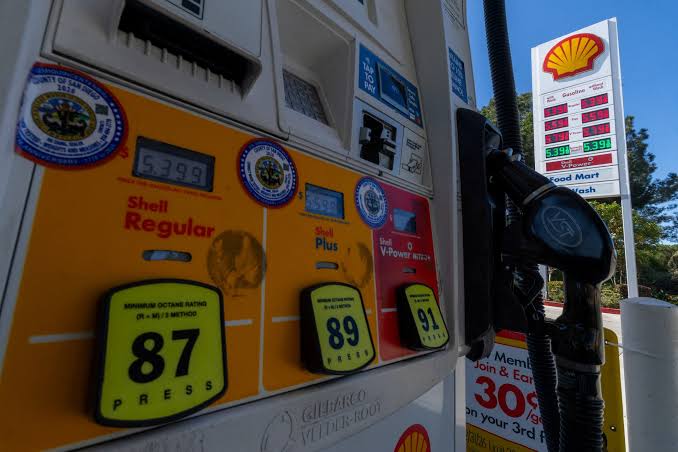
As fuel prices continue to affect millions of Americans, Trump Calls for Lower Gas Prices has become one of the most discussed topics across the United States. Former President Donald Trump has urged gas station owners and fuel retailers to reduce gasoline prices to $2.50 per gallon, arguing that American families deserve immediate relief from high energy costs.
The announcement has sparked nationwide debate among consumers, economists, and energy experts. While many drivers welcome the idea of cheaper fuel, others question whether such a price target is realistic in today’s global energy market.
Trump Calls for Lower Gas Prices to Ease Financial Pressure
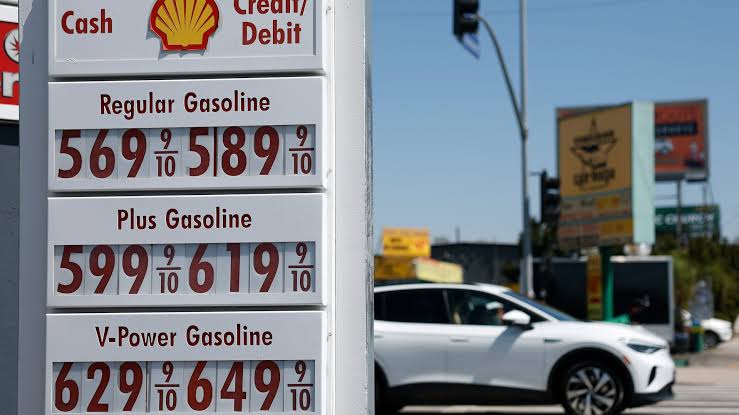
Donald Trump stated that Americans should not have to pay unnecessarily high prices at the pump when global oil markets have shown signs of stabilization. According to his remarks, reducing gasoline prices would help families save money, lower transportation expenses, and strengthen consumer confidence.
He also warned that retailers charging excessively high prices while benefiting from lower wholesale costs should reconsider their pricing strategies. Trump emphasized that affordable fuel is essential for economic growth and household budgets.
For millions of commuters who rely on personal vehicles every day, lower gasoline prices could significantly reduce monthly living expenses.
Donald Trump Says Affordable Fuel Can Boost the Economy
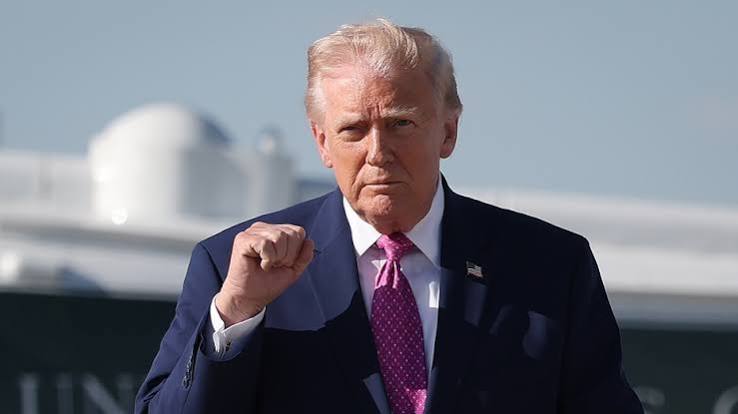
Supporters believe Trump’s proposal could provide several economic benefits if implemented successfully. Lower fuel costs generally reduce transportation expenses for businesses, making shipping and logistics more affordable.
Cheaper gasoline can also leave consumers with more disposable income to spend on other goods and services. Retail businesses, restaurants, and travel industries often benefit when drivers spend less at gas stations.
Economic analysts note that energy prices influence inflation, making fuel costs an important factor in overall economic performance.
Energy Experts Remain Divided on the Proposal
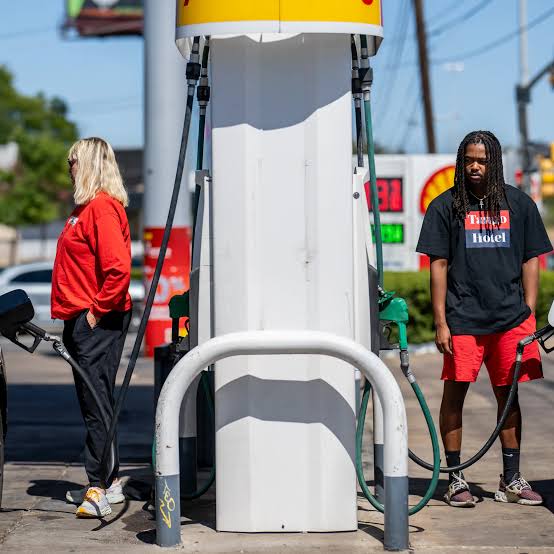
While consumers may welcome lower gasoline prices, many energy analysts argue that fuel prices depend on numerous factors beyond political statements.
Global crude oil prices, refinery production, seasonal demand, transportation costs, weather conditions, and international conflicts all contribute to gasoline pricing across the United States.
Experts explain that retailers often operate with relatively small profit margins, meaning significant price reductions are not always possible without corresponding decreases in wholesale fuel costs.
Because of these market forces, achieving a nationwide average of $2.50 per gallon could prove challenging unless global energy conditions remain favorable.
Consumers React Positively to Trump’s Gas Price Message
Many American drivers have responded positively to Trump’s comments on social media and online forums.
Commuters, delivery drivers, rideshare operators, and small business owners say lower gasoline prices would reduce daily operating costs and improve household finances.
However, some economists caution that temporary price reductions may not guarantee long-term stability unless broader energy policies support increased production and stable supply chains.
Public opinion remains divided, with supporters praising Trump’s focus on affordability while critics question whether government influence should extend into fuel pricing.
Political Impact Ahead of Future Elections
Table of Contents
Energy policy has become one of the major political issues in the United States. Fuel prices often influence voter sentiment because they affect nearly every household.
Trump’s renewed focus on gasoline prices is expected to become an important talking point as political campaigns continue discussing inflation, energy independence, and economic recovery.
Political observers believe affordable fuel remains a powerful issue capable of influencing public opinion, particularly among suburban and rural voters who depend heavily on personal transportation.
What Happens Next?


Whether gasoline prices fall to Trump’s suggested $2.50 per gallon remains uncertain. Much will depend on international oil markets, domestic refinery operations, and overall economic conditions.
Consumers will continue watching fuel prices closely as policymakers, energy companies, and retailers respond to changing market conditions. Regardless of the final outcome, Trump’s comments have reignited a national conversation about fuel affordability and America’s long-term energy strategy.
At Viro Times, we will continue providing timely updates on U.S. energy policy, gasoline prices, economic developments, and the latest political news shaping everyday life across America.
Meta Description:
Donald Trump calls on U.S. gas retailers to reduce gasoline prices to $2.50 per gallon. Discover what it means for consumers, the economy, and the energy market.