- US–Iran Conflict
- US Airstrikes on Iran
- Trump Iran Military Strategy
- Iran Retaliation Against US
- Strait of Hormuz Tensions
US–Iran Conflict Escalates as Trump Orders New American Airstrikes
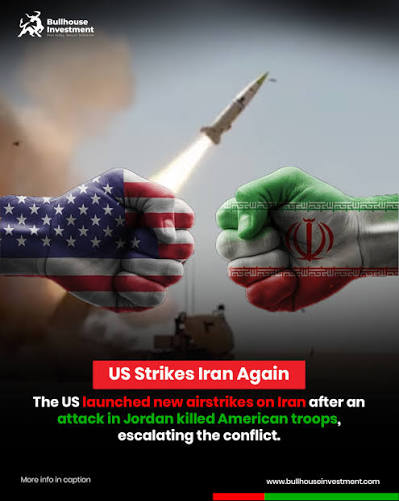
The US–Iran conflict has entered a dangerous new phase after the United States launched another round of airstrikes against Iranian targets. The latest military action follows the deaths of two American service members in Jordan, sharply increasing tensions between Washington and Tehran and raising fresh concerns about a wider regional war.
According to reports, the United States carried out new attacks after an Iranian assault killed two U.S. personnel and left another missing. American officials described the strikes as a response intended to impose serious costs on Iran and reduce threats to U.S. forces and commercial shipping in the region.
US–Iran Conflict Intensifies After American Casualties
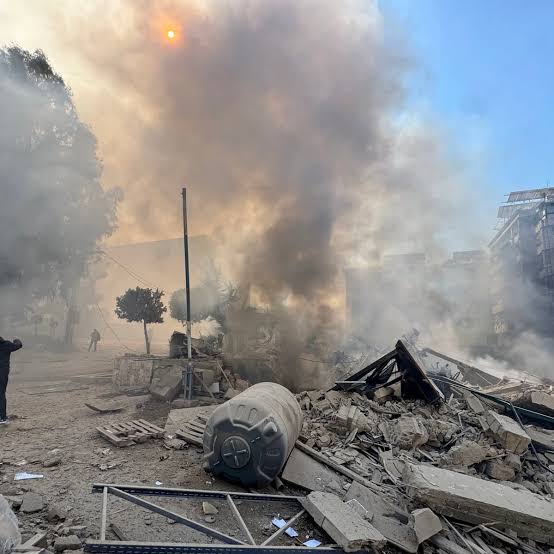
The deaths of American troops have become a major turning point in the US–Iran conflict. Washington has repeatedly warned that attacks on U.S. personnel would trigger a strong response, and the latest airstrikes demonstrate that the Trump administration is prepared to continue military operations.
The new attacks came after several days of escalating hostilities across the Middle East. U.S. forces have reportedly targeted Iranian military infrastructure, while Iran has continued to launch retaliatory attacks against American interests and regional partners.
The growing cycle of attack and retaliation has created a highly unstable security situation. Each new strike increases the possibility of further military action, making diplomatic efforts increasingly difficult.
Strait of Hormuz Becomes a Major Flashpoint
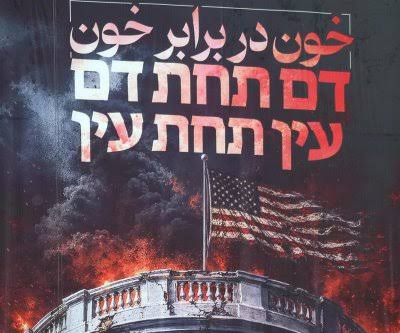
The Strait of Hormuz has become one of the most important flashpoints in the conflict. The narrow waterway is a crucial route for global energy shipments, and any disruption could have consequences far beyond the Middle East.
The United States has said that some of its military actions are designed to protect commercial shipping and prevent threats to maritime traffic. Iran, however, has strongly opposed American military operations and accused Washington of escalating the crisis.
Any prolonged disruption in the Strait of Hormuz could affect global oil prices, shipping costs and international markets. For this reason, governments around the world are closely monitoring the situation.
Trump Faces Pressure Over Military Strategy
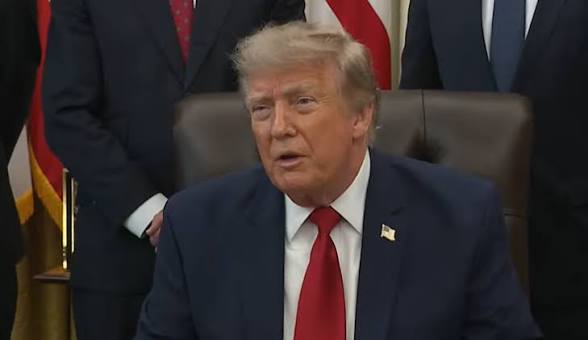
President Donald Trump now faces growing pressure over the future of U.S. military operations against Iran. The administration has argued that military action is necessary to protect American personnel and deter further attacks.
However, the continuing strikes have also raised questions about how the conflict can eventually end. A sustained military campaign could create additional risks for U.S. troops, regional allies and civilians.
The central challenge for Washington is balancing military pressure with the possibility of negotiations. While the Trump administration has used strong language against Iran, a long-term solution may ultimately require diplomatic engagement.
Iran Signals Continued Resistance
Iran has shown no clear sign of backing down. Tehran has continued to condemn American attacks and has warned that U.S. military action will have serious consequences.
Iranian officials have repeatedly stated that the country has the right to defend itself against foreign attacks. The government has also warned regional countries that hosting American military facilities could make them potential targets.
This situation has increased fears that the conflict could spread beyond direct U.S.–Iran confrontation. Countries across the Gulf region are watching closely as military activity continues.
Global Concerns Grow Over Wider War
Table of Contents
The latest escalation in the US–Iran conflict has triggered concern among international governments and security experts. A wider war could threaten energy supplies, global trade and regional stability.
The United States and Iran now face a critical choice. Continued military escalation could push the region toward a larger conflict, while renewed diplomacy could create an opportunity to reduce tensions.
For now, the situation remains highly unpredictable. New airstrikes, military casualties and threats from both sides have made the future of the conflict uncertain.


As the US–Iran conflict continues to develop, the world will be watching Washington and Tehran for signs of either further escalation or a possible return to negotiations.
Stay updated with the latest US and international news on Viro Times.
Meta Description: The US–Iran conflict has intensified after new American airstrikes followed the deaths of two US service members in Jordan, raising fears of a wider Middle East war.